• info@youngscholarz.com
  • +65 97829419
Follow Us :
  • Login
  • /
  • Register
Young Scholarz
Young Scholarz
  • Courses
    • IGCSE
    • IB
    • American Curriculum
    • O/AS/A Level
    • School-Specific Curricula
    • Global Narratives- English Enrichment
  • Uni & Career Prep
    • College Counselling
    • Admissions Essays
    • Admissions Test Prep (SAT, GRE, GMAT, LNAT)
    • Language Exams (IELTS, TOEFL, etc.)
    • Career Counselling
  • Workshops
    • Events
    • Schedules
      • English Group Classes
  • Student Resources
    • Academic Counselling
    • Paper Marking
    • Blog
    • Mental Wellness
  • Beyond Academics
    • Profile Building
    • Life Skills Workshops
  • About
    • Our Story
    • Our CEO and Founder
    • Our Team
    • Our Faculty
    • Our Alumni
    • Student Testimonials
    • Social Responsibility
    • Work With Us
    • Contact Us

Blog

Latest Blog

October 6, 2026

How to spot plagiarism in term papers for sale

Are you looking for free, printable term papers for sale? It’s easier than ever before...
Read More

Recent Releases

  • How to spot plagiarism in term papers for sale
  • October 6, 2026
  • موقع ربح 1xbet في الإمارات 2024 نظرة عامة والخيارات
  • October 5, 2026
  • How to Use the 1win Bonus Casino in Nigeria – Step‑by‑Step Guide
  • October 5, 2026
  • 1win Free Bet Code Today: Complete Guide
  • October 5, 2026
  • Categories

    No posts found.
    No posts found.
    No posts found.
    No posts found.
    No posts found.
    No posts found.

    Categories

    • IGCSE
    • IB
    • University
    • Extra Curriculars
    • Mental Health
    • Beyond Academics
    • News

      IBDP Workshops Now Running: Free First Session!

      01 Mar 2025
      Blog, Exams, IB

      Do NOT Make These 7 Mistakes In Your IB English Lang Lit Paper 1 Exam

      21 Feb 2025
      Blog, General, IB, IGCSE, Learning, ToK, University

      From the CEO’s Desk: Balancing the Boardroom and the Classroom

      14 Feb 2025
      Blog, General, Learning, Reading Lists, Study Tips

      Ethical Chat GPT Hacks for Students

      13 Feb 2025
      Blog, Books, Exams, General, IB, IGCSE, Learning, Study Tips

      How to Avoid Plagiarism: A Student’s Guide to Ethical Writing

      10 Jan 2025
      Blog, IB

      Embrace 2025: Reflections and Tips for a Successful New Year

      06 Jan 2025
      Blog, Books, Exams, General, IB, IGCSE, Learning, Study Tips

      Why Start English Classes Young? Is It Just About Exams?

      13 Dec 2024
      Extra Curriculars, General, News

      Announcement: Our CEO, Sunita Sharma, is recognised among the “Top 10 Women Leaders of the Year From Asia”.

      10 Dec 2024
      Blog, IB

      A Simple Guide to IB Physics IA: 6 Tips for Success

      05 Dec 2024
      « Previous 1 … 891 892 893 894 895 … 906 Next »
    News

    IBDP Workshops Now Running: Free First Session!

    01 Mar 2025
    Blog, Exams, IB

    Do NOT Make These 7 Mistakes In Your IB English Lang Lit Paper 1 Exam

    21 Feb 2025
    Blog, General, IB, IGCSE, Learning, ToK, University

    From the CEO’s Desk: Balancing the Boardroom and the Classroom

    14 Feb 2025
    Blog, General, Learning, Reading Lists, Study Tips

    Ethical Chat GPT Hacks for Students

    13 Feb 2025
    Blog, Books, Exams, General, IB, IGCSE, Learning, Study Tips

    How to Avoid Plagiarism: A Student’s Guide to Ethical Writing

    10 Jan 2025
    Blog, IB

    Embrace 2025: Reflections and Tips for a Successful New Year

    06 Jan 2025
    Blog, Books, Exams, General, IB, IGCSE, Learning, Study Tips

    Why Start English Classes Young? Is It Just About Exams?

    13 Dec 2024
    Extra Curriculars, General, News

    Announcement: Our CEO, Sunita Sharma, is recognised among the “Top 10 Women Leaders of the Year From Asia”.

    10 Dec 2024
    Blog, IB

    A Simple Guide to IB Physics IA: 6 Tips for Success

    05 Dec 2024
    « Previous 1 … 891 892 893 894 895 … 906 Next »

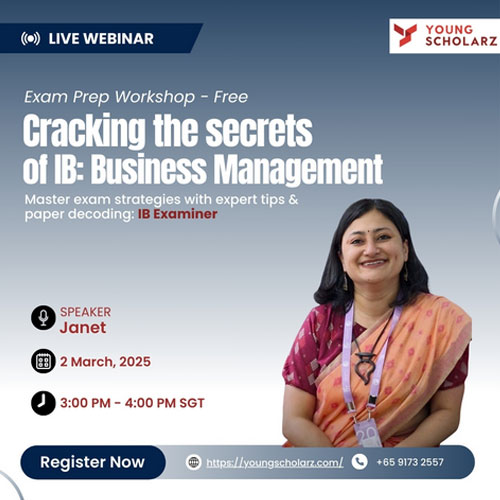
    In a concerted effort to support IB Diploma Programme students in their pursuit of academic excellence, Young Scholarz is thrilled to announce the commencement of its comprehensive subject workshops. These intensive workshops, meticulously designed and led by experienced educators, cover these key IBDP subjects: Business Management, Economics, English, Global Politics, Math AI, Physics and Psychology.

    Understanding the diverse academic needs of IBDP students, Young Scholarz has developed workshop series that provide in-depth exploration of core concepts, assessment criteria, and effective study strategies. Each workshop series consists of four sessions, designed to facilitate a structured and progressive learning experience.

    A Valuable Introduction: Free Introductory Session

    To provide students with a firsthand experience of the workshop’s quality and value, the first session in each subject series is offered completely free of charge. This introductory session allows students to:

    • Gain insights into the workshop structure and teaching methodology.
    • Interact with experienced examiners and educators and ask questions.
    • Assess the relevance of the workshop to their individual learning needs.
    • Connect with fellow IBDP students.

    Continued Support: Nominal Fee for Subsequent Sessions

    Following the free introductory session, students can continue their learning journey by enrolling in the remaining three workshops in the series. A nominal fee applies to these sessions, ensuring accessibility for all students while maintaining the high quality of instruction.

    Why Choose Young Scholarz’s IBDP Workshops?

    • Expert Instructors: Our workshops are led by highly qualified, IB Examiners and experienced educators with a proven track record of success in IBDP instruction.
    • Interactive Learning: Our workshops emphasize active learning, encouraging student participation and engagement through discussions, group activities, and practical exercises.
    • Personalized Support: Through personalized feedback forms for each student, instructors provide tailored feedback and guidance, helping students identify their strengths and weaknesses and develop effective study strategies.
    • Resource Rich: Students will receive access to valuable resources, including study guides, practice questions, and past papers.

    Subjects Offered:

    Business Management:

    (more…)

    IB English Lang Lit

    This time, let’s look at the mistakes, the errors that students make while giving their IB English Lang Lit exam. We’re always told what we should do in an exam, what we should pay attention to. But let’s look at tips to avoid making these mistakes, so you can score better.

    The IB Lang Lit exam may seem easier to some students, I mean it’s just an English paper, right? Definitely not rocket science. But you are wrong if you think that way. Nailing the IB English Lang Lit exam would get you a better score. Its importance is not debatable at all, and you need to give it the same amount of time, understanding, and practice that you would need for any other subject.

    So let’s begin with the basics first. What is the IB English Lang Lit Paper all about?

    The IB English Lang Lit Paper 1

    This paper deals with the analysis of media. That’s all. When you look at any advertisement, interview, review, travel magazine, personal experience, web page article, comic strip, and many other forms of media – they’re all written with a purpose. They use certain themes, ideas, and address a certain audience. They appeal to this audience using visuals, creative writing techniques, and literary tools to keep them hooked.

    What to expect

    Your task here is to break down the media text provided in the paper and analyse it as much as you can in the 1 hr 15 mins time you get as an SL student, or the 2 hrs 15 mins time limit you get as an HL student. The main difference between these levels, SL and HL, is that the former gets a choice to answer one of the two texts provided in the paper, whereas the latter has to mandatorily answer both questions.

    Does it sound tricky now? Read ahead how to get close to dealing with it.

    1. Don’t just browse through the text and the question

    The question is key to your answer. For example, ‘How is the text and image interplay used by the author to create appeal?’ you may find this as the standard question, or variations of it, in your paper. But this question should help you form a central idea which you can use to plan, brainstorm, and implement your ideas in the answer. 

    Reading the text thoroughly is key to lifting key components that help your case. You are given an ample amount of reading time before you start writing, so don’t take it lightly. You aren’t supposed to stick just to the main text – study the blurb, the name of the author, the source of the text, as well as any footnotes provided towards the end. All of this is important. And as we always guide IGCSE students in their English 0500 papers, annotate the text as you read. Make little notes around the text and image and underline any literary terms and techniques that you can find.

    2. Never begin your answer without a plan
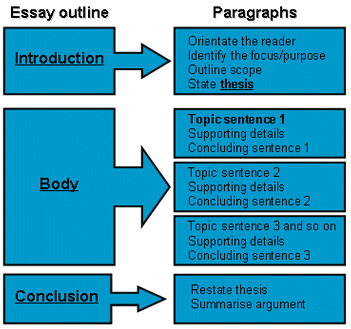
    This may sound monotonous to you as we have always mentioned it in previous blog posts. But believe me you, writing an essay-style answer without a plan is outright suicidal. You don’t know where to begin, where to end, and everything in between. Without a plan, you’re as good as lost in the middle of the sea without a life jacket or anything to hold onto.

    Instead, forming an outline before you stick pen to paper is the ideal way to go. Divide your essay into an intro, body, and conclusion. Think of 3 key ideas that you would want to expand on, preferably thematic ideas. Are these ideas supported with enough evidence and examples? Can you write 2 mini body paragraphs on each idea? Think and then make notes before you begin.

    At Young Scholarz, we help students with our very own answer planner so they can get used to planning their essays before the big day approaches.

    3. Examiners don’t like lengthy or inconsistent paragraphs

     

    Now that we’re talking about body paragraphs, we would also like to share that as examiners who have marked every IB English student’s answer, in detail, do not like bulky paragraphs. They should be well spaced out and consistent in the number of words/lines.

    You cannot split the introduction into 2 paragraphs, or even the conclusion. But you need to split the 3 big body paragraphs into 6 smaller ones. Avoid sticking to the 5-paragraph structure, which seems juvenile at this point. And, always form a link between your key idea and the central idea for the entire answer.

    Focus on one key idea and then transition very smoothly into the next paragraph. Try to do justice to your ideas with sufficient evidence and explanation. When paragraphs are massive, it can lose the required attention needed by your examiner to award you the mark that you deserve.

    So make your content less heavy and give the reader a pause.

    4. Focusing on just a few ideas

    We have seen so many students write answers that appear to be well-written at the first look. But as you take a closer look, the same idea is repeated over and over, with round-the-bush sentences that keep going on. We feel this happens because the student is stuck in a loop, they have generated very few ideas and are struggling to make more sense out of it than they already have.

    In order to broaden your perspective, you need to practise more. Only then would you be exposed to so many different kinds of texts and techniques, and how different authors use multiple approaches to attract their readers.

    Fewer ideas lead to lesser analysis, thereby jeopardising your entire answer. Try generating at least 3 supporting ideas for each thematic strand, and 5 would be much better. This would show the examiner how much you have studied the text.

    5. Using an AK-47 on a myriad of ideas

    Where fewer ideas are detrimental to your final score, too many ideas aren’t that great either. Without proper planning, you can be left to climb onto any shred of evidence and explanation that you can get your hands on. Having a mix of ideas, tools, techniques extracted from anywhere around the text is a pain to read.

    Your examiner would not be pleased to read an Eton mess of words and symbols that make little to no sense due to the lack of flow between these ideas. Focusing on many many ideas can ultimately lead to this stage. Doesn’t sound like good news, does it?

    So what’s the solution? As mentioned previously, stick to a decent number of supporting ideas for your body paragraphs – 3-5 at least. This would help you give more time to each idea. You need this time to develop your ideas better, so you can come up with more sensible and mature deductions.

    6. Leaving your answer incomplete

    I can’t tell you how many answers I’ve marked where students have not written a conclusion! Imagine watching a movie – any movie – I like thrillers so I’ll stick to that, anyway… The previous sentence was left halfway on purpose.

    Do you see how annoying that can be? What if The Shining had started rolling credits at the scene where Jack had finished axing the door? Or Shutter Island had ended 5 minutes before? Leaving an essay without a conclusion really does not sound like good news for the student. It is the last paragraph that sums up the whole answer. 

    The conclusion’s purpose is to summarise the key ideas from the entire answer and leave a lasting impression on the reader’s mind. It ties up multiple loose ends that could be left that way all throughout, and also urges the reader to think about how relevant this text is in today’s times.

    Not having the conclusion paragraph also shows how the student has not been able to manage their time and couldn’t complete their answer in the given time.

    7. Taking your penmanship lightly



    As mentioned previously, not managing the exam time is one of the biggest reasons behind the student’s poor penmanship. Personally, I have had to take the help of my colleagues at times to help decipher what a word means. And honestly, it has made me take an aspirin, or two.

    It may sound of little importance, as we use buttons and touchscreens today. But having great penmanship is a skill most underrated in this era of technology.

    As the IB Exams are required to be handwritten, it is but natural that you work on it. As basic as it sounds, how can you mark a paper when you can’t read it? The examiner would be naturally frustrated and mark the answer down, no matter how great those ideas were when the student wrote them. But if they can’t be understood, how can they be graded?

    As you still have a few months left before you appear for the exams, you can still work on writing with clarity. Practise now more than ever so you can manage your time and write with patience.

    To sum it up,

    There you have it. 7 mistakes to avoid if you want to score better.

    Mastering the IB English Lang Lit Paper 1 exam requires strategy, practice, and attention to detail. Avoiding common mistakes—like failing to plan, overloading your answer with too many ideas, or neglecting a conclusion—can significantly improve your score.

    At Young Scholarz, we provide students with structured exam prep through group classes and solo classes, helping them develop analytical skills and writing techniques essential for success. Whether you’re tackling IB English Lang Lit for the first time or refining your approach, our expert guidance ensures you walk into the exam with confidence and a clear plan.

    For students based out of Singapore, we even provide in-person tuition at our dedicated space for learning.

    Register at Young Scholarz for Lifelong Learning today.

    CEO balancing act

    When I was named one of the Top 10 Women Leaders of the Year from Asia in 2024, I had a moment of realisation. Every late night spent refining our programs, every student call before an exam, every strategy session with my team—it all led me to understand that my role would never be singular. Instead, it would always be a seamless blend of being both a CEO and an educator.

    The moment I step into a class, my corporate responsibilities fade into the background. In that space, I am not just Sunita Sharma, CEO of Young Scholarz—I am a mentor, a guide, and a teacher. Yet, I have never seen these roles as separate. My journey has never been about choosing between running a business and teaching; it has been about embracing both with equal dedication.


    A Journey Shaped by Passion

    My path to education and entrepreneurship was far from conventional. Beginning in Biochemistry, my career eventually led me to the world of teaching and business. Being featured in the Women Entrepreneurs Review was an honour, but my true pride lies in seeing my students succeed.

    Leading a team of passionate educators while personally mentoring students in English, Business Studies, Economics, and IB Theory of Knowledge across curricula such as IGCSE, IB, AP, Edexcel, and ICSE has been both a privilege and a challenge. Balancing these demands isn’t always easy, but I navigate them daily with a deep sense of purpose.

    A Defining Moment

    A few years ago, I found myself in a situation that perfectly encapsulated my dual role of a CEO and a teacher. It was a Monday morning packed with meetings: interviewing a marketing manager, speaking with a potential investor, addressing an irate parent, briefing my team, and conducting a last-minute class for an IGCSE English student. Just when I thought my schedule was full, an IB English Literature student panicked over his upcoming mock exam.

    Logically, I could have prioritized my business commitments. But education is not just business—it’s about people. I quickly scheduled a morning session with him, spent an hour analysing Margaret Atwood’s writing style and themes, and then transitioned into CEO mode for the rest of the day.

    That moment reaffirmed my belief—I don’t have to choose between being a leader and an educator. Embracing both makes me better at each.

    Teaching: My Constant Commitment

    Teaching has never been a stepping stone to business for me—it has always been my passion. Over the years, my experience with different curricula has shaped my understanding of student needs:

    • IGCSE encourages analytical thinking through structured essay writing and literature studies.
    • IB fosters critical thinking and interdisciplinary learning.
    • AP challenges students with university-level content and depth of subject knowledge.
    • Edexcel emphasizes strong academic foundations while promoting independent thought.

    Understanding these frameworks has helped me develop a targeted methodology at Young Scholarz, such as BOUNCE™, to personalize learning for every student.

    Leadership in Education: Beyond Strategy

    Running an education company is not just about business metrics; it’s about fostering a culture of learning—for students and teachers alike.

    One of my biggest challenges is ensuring that business growth never compromises educational integrity. Expansion is enticing—more locations, more students, more courses—but my priority remains quality over quantity.

    At Young Scholarz, every decision—whether hiring a tutor, designing a curriculum, or selecting digital tools—is guided by a simple question: How does this benefit our students? How are we helping them achieve success?

    The Challenges of Wearing Two Hats

    Balancing these roles often feels like walking a tightrope. Some days, administrative responsibilities take over—meetings, financial planning, team training. Yet, no matter how packed my schedule is, I always make time for teaching.

    Maintaining this personal connection with students keeps me attuned to their needs, while staying engaged with my team ensures they feel supported and valued. Creating an environment where both students and educators thrive is my ultimate goal.

    The Best of Both Worlds

    People often ask me, “How do you balance being a CEO and an educator?”

    The truth? It’s not about balance—it’s about integration. These two roles don’t compete; they complement each other.

    Being a leader allows me to shape an organisation dedicated to learning. Being a teacher keeps me grounded in the reason we do it all—the students. Their successes are my successes, as are the growth and achievements of my team.

    If there’s one thing I’ve learned, it’s this: leadership in education isn’t about choosing between business and teaching—it’s about ensuring that every decision serves the people who matter most—our students.

    Because no matter how far Young Scholarz grows, my greatest achievement will always be when a student reaches out with words like these:

    “I just wanted to let you know that I got into Emory ED2! I couldn’t have done it without your help for Lang and my personal essay, so I just wanted to say a big thank you!”

    And in that moment, I am reminded—this is why I do what I do.


    Ethical Chat GPT hacks for Students- Young Scholarz
    Discover ethical ChatGPT hacks for students to enhance learning, improve research, and boost productivity responsibly.

    The rise of AI tools like ChatGPT has revolutionized the way students study, organize their work, and even engage with complex topics. However, using such tools effectively and ethically is the key to leveraging their full potential without crossing academic boundaries. Here are some ethical ChatGPT hacks for students to enhance their learning and productivity without compromising integrity.

    1. Ace Your Study Sessions with Summaries

    Ethical Chat GPT Hacks for Students- to summariseThe Hack:

    Feed ChatGPT long reading materials or lecture notes and ask it to provide concise summaries or key points.

    How to Use It:

    • Upload a chapter or article and ask, “Can you summarize this text into three main points?”
    • Request specific highlights, e.g., “Summarize the main arguments in favor of renewable energy from this article.”

    Why It’s Ethical:

    This approach saves time and organizes dense information, but you’re still engaging with the content by verifying the AI’s summary and understanding the material.

    2. Generate Practice Questions for Exam Prep

    Generate Practice Questions with Chat GPT for Exam Prep

    The Hack:

    Ask ChatGPT to create mock questions or quizzes based on the topics you’re studying.

    How to Use It:

    • Provide ChatGPT with a topic, e.g., “Create 5 multiple-choice questions about photosynthesis.”
    • Request questions at a specific difficulty level, e.g., “Make advanced-level questions on World War II.”

    Why It’s Ethical:

    Creating practice questions doesn’t involve using AI for direct answers. It’s a study aid that encourages critical thinking and self-testing.

    3. Improve Your Writing with Feedback

    Improve Your Writing with Feedback using Chat GPT

    The Hack:

    Use ChatGPT to proofread essays, improve structure, or suggest better phrasing.

    How to Use It:

    • Share a paragraph and ask, “Can you check this for grammar errors?”
    • Use prompts like, “How can I make this introduction more engaging?”

    Why It’s Ethical:

    Seeking feedback is a legitimate learning method. However, ensure that the ideas and structure remain your own, and you’re not submitting ChatGPT-generated content as-is.

    4. Organize Your Study Plan

    The Hack:

    Ask ChatGPT to help design a customized study schedule.

    How to Use It:

    • Share your syllabus and say, “Create a 4-week study plan for this content.”
    • Be specific: “I have 3 hours daily for history. How can I cover topics like the Cold War, Industrial Revolution, and Civil Rights Movement?”

    Why It’s Ethical:

    You’re using AI as a planner, not a shortcut. It helps with time management and reduces stress, enabling you to focus on the actual studying.

    5. Break Down Complex Concepts

    The Hack:

    Use ChatGPT to simplify challenging topics or provide step-by-step explanations.

    How to Use It:

    • Type, “Explain quantum mechanics in simple terms.”
    • For math problems, ask, “Walk me through solving this quadratic equation.”

    Why It’s Ethical:

    Breaking down concepts facilitates understanding without bypassing learning. You’re supplementing your knowledge rather than replacing it.

    6. Brainstorm Ideas for Projects or Essays

    The Hack:

    Use ChatGPT as a sounding board for generating ideas or refining your thesis.

    How to Use It:

    • Ask, “What are some unique angles for an essay on climate change?”
    • Refine ideas by saying, “Can you elaborate on the role of technology in combating climate change?”

    Why It’s Ethical:

    The final work remains your creation. ChatGPT provides inspiration, but the content and arguments should be your own.

    7. Translate or Paraphrase Texts

    The Hack:

    Use ChatGPT to translate foreign language texts or rephrase complicated sentences.

    How to Use It:

    • Type, “Translate this paragraph from Spanish to English.”
    • Ask, “Can you paraphrase this text to make it clearer?”

    Why It’s Ethical:

    This is a legitimate use of AI as a language aid. It supports comprehension without substituting original work.

    8. Plan Group Projects Efficiently

    An overhead shot of college students working together

    The Hack:
    Leverage ChatGPT to assign roles, outline timelines, or organize tasks for collaborative work.

    How to Use It:

    • Provide details about the project and ask, “How should we divide tasks for this presentation on renewable energy?”
    • Request timelines: “Create a 2-week plan for completing this group project.”

    Why It’s Ethical:

    You’re streamlining communication and planning, not outsourcing the project. This ensures better teamwork and accountability.

    9. Cite Sources Correctly

    How to Cite a Quote - Ethical Chat GPThacks

    The Hack:

    Ask ChatGPT for help with formatting citations or creating bibliographies in APA, MLA, or Chicago style.

    How to Use It:

    • Provide the source and say, “Cite this book in MLA format.”
    • Use prompts like, “How do I format a journal article in APA style?”

    Why It’s Ethical:

    Citation generation is a time-saver and ensures accuracy without compromising academic integrity.

    10. Learn Ethical AI Usage

    Using Chat GPT ethically

    The Hack:
    Ask ChatGPT for guidance on using AI tools responsibly.

    How to Use It:

    • Type, “What are some ethical ways to use ChatGPT for studying?”
    • Use prompts like, “How can I avoid plagiarism while using AI tools?”

    Why It’s Ethical:

    AI itself can teach you how to engage with it responsibly, ensuring that you use it as a tool to enhance, not replace, your learning.

    Final Thoughts

    Ethical hacks ChatGPT can be a powerful ally in your academic journey if used wisely. The key lies in using it to support your education rather than taking shortcuts. Ethical usage means respecting your institution’s guidelines, avoiding plagiarism, and ensuring that your work reflects your effort and understanding. By following these hacks, you can maximize ChatGPT’s potential while maintaining academic integrity and fostering personal growth.

    Ready to elevate your learning journey? Contact Young Scholarz today and transform education into an exciting adventure! At Young Scholarz, we specialize in helping students excel not only in English but across all IB and IGCSE subjects. By focusing on your unique strengths and providing personalized strategies, we ensure success that goes beyond grades. Whether it’s boosting academic performance, building confidence, or honing critical skills, we’re with you every step of the way!

    How to Avoid Plagiarism

    Learn how to avoid plagiarism and embrace ethical writing with practical tips for students to maintain originality and academic integrity.

    Plagiarism. The word itself sounds intimidating, doesn’t it? As students, the idea of accidentally stepping into this academic minefield can be stressful. But don’t worry—avoiding plagiarism isn’t as complicated as it seems. With a bit of awareness and the right strategies, you can create original work that’s both ethical and impressive. Let’s break it down!

    What Is Plagiarism?

    Plagiarism happens when you use someone else’s ideas, words, or work without giving them proper credit. It’s like borrowing a friend’s sweater and pretending it’s yours—not cool, right? In academic terms, this can include:

    • Copy-pasting text from a source without citation.
    • Paraphrasing someone’s ideas too closely.
    • Forgetting to credit images, graphs, or charts.
    • Submitting someone else’s work as your own (hello, AI-generated essays!).

    Why Does It Matter?

    It’s dishonest: You’re essentially stealing someone else’s intellectual property.

    It hurts your credibility: If you’re caught plagiarizing, it can damage your reputation and academic standing.

    It hinders your learning: Plagiarism prevents you from developing your own critical thinking and writing skills.

    Besides the obvious ethical concerns, plagiarism can have serious consequences. Schools and universities often have strict policies against it, leading to penalties like failing grades, suspension, or even expulsion. Plus, knowing how to write authentically builds critical thinking and communication skills—something no shortcut can teach you.

    And let’s not forget real-life examples of plagiarism gone wrong. Take the case of a high school student in New York who was caught copying an entire essay from the internet. They not only received a zero but also faced public embarrassment when the school notified their peers and parents. Or consider the college freshman in Texas who submitted a research paper pulled straight from Wikipedia. They were expelled after a plagiarism detection tool flagged their work—a life-altering punishment for a rushed decision.

    Top Tips to Avoid Plagiarism

    1. Understand What Needs Citing

    Read the instructions carefully: Pay attention to the requirements, citation style (MLA, APA, Chicago), and any specific guidelines.

    Know your sources: Identify the types of sources you’re allowed to use (books, articles, websites, etc.).

    Not everything requires a citation. Common knowledge—like the fact that water boils at 100°C—doesn’t need referencing. But if you’re using unique facts, statistics, or someone’s interpretation of events, always credit the source.

    2. Use Your Own Words

    When taking inspiration from a source, put it into your own words instead of copying verbatim. But be careful—simply swapping out a few words isn’t enough. Make sure the structure and phrasing are uniquely yours.

    3. Master the Art of Paraphrasing

    Paraphrasing is more than just rewording. It involves understanding the original idea and expressing it in a way that aligns with your voice. For example:

    • Original: “The Industrial Revolution marked a turning point in history, leading to significant technological and social changes.”
    • Paraphrased: “The Industrial Revolution was a pivotal era that transformed society through advancements in technology and shifts in social structures.”

    And yes, even paraphrased content needs citation!

    4. Cite Sources Correctly

    Every institution has its preferred citation style, like MLA, APA, or Chicago. Make sure you know which one you’re supposed to use. Tools like EasyBib and Citation Machine can simplify this process. When in doubt, cite it out—it’s better to over-cite than under-cite.

    5. Use Quotation Marks for Direct Quotes

    When using someone’s exact words, enclose them in quotation marks and include a citation. For example:

    “Plagiarism is the use of another’s work without proper acknowledgment” (Smith, 2023).

    This makes it clear which part is directly borrowed.

    6. Keep Track of Your Sources

    While researching, maintain a running list of your sources. This will save you from the last-minute scramble of trying to remember where you got your information.

    7. Use Plagiarism Detection Tools

    Before submitting your work, run it through tools like Turnitin, Grammarly, or Quetext. Many universities and colleges provide access to tools like Turnitin. These platforms highlight areas that might need revision, ensuring your work is plagiarism-free. Review the report carefully. Understand the highlighted sections and make any necessary corrections.

    8. Don’t Procrastinate

    Rushing to meet a deadline is a surefire way to make mistakes. Give yourself enough time to research, write, and review your work. Trust me, your future self will thank you.

    Common Misconceptions About Plagiarism

    • “I changed a few words, so it’s fine.” Nope! That’s still plagiarism unless properly cited.
    • “If it’s on the internet, it’s free to use.” Wrong again. Most online content is copyrighted and needs acknowledgment.
    • “I’ll just use AI to rewrite it.” AI tools can help, but they’re not foolproof. Always double-check and cite sources appropriately.

    Final Thoughts

    Avoiding plagiarism isn’t just about following rules—it’s about respecting the hard work of others and building your credibility as a writer. With these tips in mind, you’ll be well-equipped to create authentic, original work that you can be proud of. So, next time you hit the books, remember: give credit where it’s due, and let your own voice shine!

    Ready to elevate your learning journey? Contact Young Scholarz today and transform education into an exciting adventure! At Young Scholarz, we specialize in helping students excel not only in English but across all IB and IGCSE subjects. By focusing on your unique strengths and providing personalized strategies, we ensure success that goes beyond grades. Whether it’s boosting academic performance, building confidence, or honing critical skills, we’re with you every step of the way!

    Happy writing!

    How many of you have written 2024 instead of 2025 while filling up the date columns till now? It can be difficult, every year, to remember that the new year has begun. Just like memories quickly turn into beautiful chapters in the past, every new year brings a new chapter into our lives. Some people stayed in the previous chapter, others continue with us today, while new memories, opportunities, and connections await us in the future.

    Looking back at 2024

    2024 has been an eventful year for many of us. We welcomed an old team member back into the team. Our academic coordinator gave birth to a cute baby boy. We bid goodbye to a promising young team member who left overseas for her further education. Our founder and CEO, Sunita Sharma, won an award among the “Top 10 Women Leaders of the Year From Asia”. Some brilliant new teachers joined us last year, helping us all grow into a lovely, wonderful community of educators and supporting roles.

    Embracing the new

    The past is gone, the future awaits us with open arms. With a positive attitude in place, let’s take our first step ahead and conquer our goals and aspirations this year.

    Here are a few things to reflect on the past year that you can use to propel towards this new year:

    As we usher in a brand-new year, it’s always worthwhile to take a moment to reflect on the one just gone. The past year has been a journey, filled with ups, downs, and invaluable lessons, especially for students navigating the challenging waters of education. Whether you’re an IB or IGCSE student preparing for your final exams or a parent supporting your child through their studies, it’s been a year of growth, perseverance, and perhaps a few sleepless nights.  

    At Young Scholarz, we’ve witnessed the dedication and hard work of students pushing through their studies while juggling extra-curriculars, personal challenges, and sometimes, the occasional bout of self-doubt. As we step into the new year, it’s time to focus on embracing the opportunities ahead and ensuring that the mistakes and achievements of the past year fuel a brighter, more confident future.  

    Reflecting on the Past Year  

    Reflection is not just about recounting events but understanding the lessons they’ve taught us. Did you manage to stay consistent with your study schedule? Were there moments when procrastination got the better of you? Perhaps there were times when anxiety about final exams felt overwhelming, or maybe you discovered a new way of learning that really worked for you.  

    These reflections aren’t about pointing out failures but about recognising areas of improvement and celebrating your progress. For instance, if you struggled with time management, think about what might have caused it. Was your study schedule too ambitious, or did you underestimate the time needed for certain tasks? Understanding these patterns can help you set more realistic goals for the future.  

    It’s also important to celebrate your wins—big and small. Whether it was acing a mock exam, mastering a tricky topic, or simply staying committed to your studies, every achievement counts. At Young Scholarz, we’ve seen how small wins can build confidence, motivating students to tackle bigger challenges with resilience.  

    Tips for Embracing the New Year

    1. Set Realistic and Specific Goals This New Year

    The new year is synonymous with resolutions, but let’s face it—overly ambitious goals often fizzle out by February. Instead of setting broad targets like “do better in exams,” focus on specific and achievable goals. For instance, aim to improve your essay writing skills or commit to practising past papers weekly. Specificity not only makes goals easier to track but also keeps you motivated.  

    2. Prepare Strategically for Final Exams  

    Final exams are a cornerstone of academic life, and for IB and IGCSE students, they can feel particularly daunting. The key to effective preparation is starting early and staying consistent. Keep an eye out for upcoming group classes for exam preparation, as these can provide structure, expert guidance, and the camaraderie of studying with peers. At Young Scholarz, our upcoming schedule (to come out soon!) is designed to help students tackle their exam syllabi systematically while addressing individual weaknesses.  

    3. Prioritise Mental Health  

    It’s easy to get caught up in the whirlwind of academic pressure and forget about your mental well-being. However, neglecting your mental health can make it harder to focus, retain information, and perform well. Here are a few tips to maintain a healthy mindset:  

    – Take Regular Breaks: Overworking can lead to burnout. Use techniques like the Pomodoro method to ensure you balance focused study with regular intervals of rest.  

    – Practice Mindfulness: Simple activities like deep breathing, journaling, or meditation can help calm a busy mind.  

    – Reach Out for Support: If stress or self-doubt becomes overwhelming, talk to someone—a parent, teacher, or counsellor. Expressing your feelings with someone can lighten the emotional load.  

    4. Learn from Failures 

    No one likes failing, but the truth is, failure can be one of the best teachers. If a poor grade or a difficult topic has knocked your confidence, remember that it’s not the end of the world. Treat failures as stepping stones to success.  

    Ask yourself: What went wrong? Was it a lack of preparation, misunderstanding of the question, or exam stress? By identifying the root cause, you can create a plan to overcome it. At Young Scholarz, we often remind students that every mistake is an opportunity to learn and grow.  

    5. Stay Organised  

    A cluttered desk often leads to a cluttered mind. Keeping your notes, resources, and study space organised can do wonders for your productivity. Use tools like planners, apps, or even good old sticky notes to track deadlines and plan revision sessions. Knowing exactly what you need to tackle each day reduces stress and builds a sense of control.  

    6. Engage in Group Learning  

    Studying in a group can bring fresh perspectives and clarify doubts you might have been struggling with alone. With Young Scholarz’ upcoming English group classes for exam preparation, students can collaborate, exchange ideas, and support each other through challenging topics. The shared experience often reduces the isolation that can come with studying solo.  

    Building Confidence for Success  

    Confidence is a critical ingredient for success, but it doesn’t appear overnight. It’s built through preparation, positive reinforcement, and resilience. Here are some ways to cultivate confidence:  

    – Focus on Progress, Not Perfection: Celebrate the effort you’re putting in, even if results aren’t perfect yet.  

    – Visualise Success: Imagine yourself achieving your goals. This mental exercise can boost motivation and self-belief.  

    – Surround Yourself with Good Energy: Spend time with people who encourage and inspire you.  

    Most importantly, remember that success isn’t just about grades; it’s about the skills and experiences you gain along the way. The ability to cope with challenges, adapt to new situations, and stay optimistic in the face of adversity will serve you well, not just in academics but in life.  

    Looking Ahead  

    As the new year unfolds, let’s approach it with curiosity, determination, and a commitment to balance. At Young Scholarz, we’re excited to continue supporting students on their educational journeys. With our schedule to come out soon, we’re here to help you conquer your final exams and thrive academically and personally.  

    Here’s to a year of growth, learning, and success! Remember, every step—no matter how small—brings you closer to your goals. So, take a deep breath, set your intentions, and embrace the new year with confidence and positivity.  

    Sign up for our exam prep classes and personalised coaching programs today!

    Happy New Year!


    Why Start English Classes Young? Is It Just About Exams?

    Discover why starting English classes early benefits kids beyond exams, fostering communication, creativity, and lifelong skills.

    When someone asks, “Why should kids start learning English at a younger age?”, the first thought that pops into most people’s minds is “to ace their exams!”. And while that’s partly true—early English education can set a strong foundation for academic success—there’s so much more to it than just chasing grades. Let’s explore why English is so important, its global impact, and how starting early can make a big difference.

    A Brief History: How English Became a Global Language

    English wasn’t always the global powerhouse it is today. Starting as the language of Anglo-Saxons in England, it spread through invasions, colonization, and trade. The British Empire introduced English to its colonies, making it the language of administration, education, and commerce.

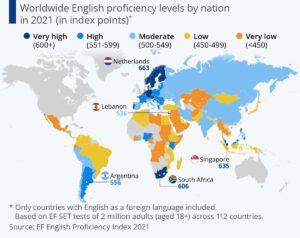
    In the 20th century, the rise of the United States as an economic and cultural superpower reinforced English as the global lingua franca. Today, it’s spoken in over 100 countries and used as the primary or secondary language by more than 1.5 billion people worldwide. Whether you’re conducting business, studying abroad, or enjoying pop culture, English connects people across borders.

    Top English-Speaking Countries and Where It’s Used Most

    English is an official language in countries like:

    • United States
    • United Kingdom
    • Canada
    • Australia
    • New Zealand
    • South Africa
    • India (as a second language)
    • Singapore

    Beyond these nations, English is the global language for business, international relations, and academia. It’s the dominant language on the internet, used in research papers, tech manuals, and even social media platforms.

    Where Can Students Learn English?

    With today’s technology, learning English has never been easier. Here are some popular platforms and resources for students:

    1. Duolingo – Fun and interactive for vocabulary and grammar.
    2. BBC Learning English – Great for improving listening and speaking skills.
    3. Khan Academy – Offers resources for English literature and writing.
    4. Coursera – Features courses from top universities like Stanford and Yale.
    5. Young Scholarz – A personalized approach to mastering English for academic excellence in IB and IGCSE.

    English in Worldwide Renowned Curricula

    English plays a pivotal role in many prestigious educational programs:

    • IB (International Baccalaureate): The IB curriculum emphasizes critical thinking, global citizenship, and language proficiency. English is central to its Language and Literature courses, which are core to developing analytical skills.
    • IGCSE (International General Certificate of Secondary Education): A globally recognized program where English is highly valued, with specific courses in English Language and English Literature.
    • A Levels: Advanced studies in English literature and language are sought after by top universities.
    • SAT and TOEFL: Essential for university admissions, where English proficiency is key.
      These programs not only prepare students for exams but also for communication in global careers and academia.

    The Power of Stories: Lessons Beyond the Classroom

    English classes have profoundly shaped my life, and some works of literature have left an indelible mark on my perspective. Reading Death of a Salesman taught me about the fragility of dreams and the weight of societal expectations while Waiting for Godot opened my eyes to the complexities of existence and the human condition. These weren’t just “texts for exams”; they were lessons in life, empathy, and self-reflection.

    When we engage with literature, we’re not just learning about characters and plots—we’re learning about ourselves. English classes allow us to explore these depths, unlocking a sense of connection to the world and to each other.

    Why Should Kids Learn English Early?

    Now that we know why English is important globally, let’s focus on why children should start learning it from a young age. Spoiler: It’s about much more than just exams!

    1. Language, the Superpower of Young Minds

    Have you noticed how kids can pick up a new word or phrase in the blink of an eye? That’s because their brains are like sponges, soaking in everything around them. Exposing children to English at an early age takes advantage of this natural ability. They don’t just memorize; they absorb. By the time they grow up, speaking and writing in English feels as natural as breathing.

    Plus, younger learners are less afraid of making mistakes, which means they’ll experiment more with the language. This freedom to play with words is what builds fluency and creativity.

    2. English as a Global Bridge: Boosting Confidence and Communication

    Think about this: when a child can confidently say “hello” to a tourist or understand a cartoon in English, it boosts their self-esteem. English isn’t just a subject; it’s a bridge to new experiences and serves as a lingua franca—a universal language connecting people from different cultures. Starting early helps kids grow comfortable expressing themselves in this global language, which proves invaluable in every walk of life—be it making friends across cultures, collaborating on projects, or speaking up in class.

    Confidence in communication is a life skill that goes far beyond exams. Early English classes nurture this skill naturally, without the pressure of test scores looming overhead.

    3. Critical Thinking and Creativity

    Learning English isn’t just about grammar and vocabulary. It’s also about stories, poems, and discussions. Think about all those fairy tales and picture books kids love. They don’t just improve language; they spark the imagination.

    English classes teach kids to ask why and how—why did the wolf want to trick Little Red Riding Hood? How did Jack climb that beanstalk? These questions sharpen their critical thinking skills, which are essential for life, not just for school.

    4. Adaptability to the Digital World

    With English dominating the internet and technology, early exposure ensures children can access global resources, apps, and tools to enhance their knowledge and skills.

    5. Of Course, Exams Do Matter

    Yes, early English classes do help with exams, but it’s about much more than rote learning. Children who start early are already familiar with the language, so when exams roll around, they’re not cramming to pass—they’re building on what they already know. Their answers reflect understanding, not just memorization.

    6. It’s an Investment, Not a Shortcut

    Starting English classes early isn’t just about “getting ahead” academically. It’s an investment in a child’s personal growth. It’s about helping them see the world differently, express their thoughts clearly, and dream bigger.

    Final Thoughts

    So, is learning English at a younger age just about exams? Absolutely not! It’s about nurturing confident communicators, imaginative thinkers, and global citizens. Exams simply reflect the valuable skills and experiences gained along the way. Starting early ensures children grow not just academically but personally, preparing them for a connected world. 🌟

    Ready to elevate your learning journey? Contact Young Scholarz today and transform education into an exciting adventure! At Young Scholarz, we specialize in helping students excel not only in English but across all IB and IGCSE subjects. By focusing on your unique strengths and providing personalized strategies, we ensure success that goes beyond grades. Whether it’s boosting academic performance, building confidence, or honing critical skills, we’re with you every step of the way!

    We are thrilled to share an extraordinary milestone with all of you! Women Entrepreneurs Review, a leading publication that celebrates the achievements of women leaders and visionaries, has recognised our very own Sunita Sharma, founder and CEO of Young Scholarz, as one of the Top 10 Women Leaders of the Year From Asia.

    This accolade honours not only her professional excellence but also her unwavering commitment to empowering young minds and breaking barriers in education. It is a wonderful way to end the year! 

    This recognition comes at a time when the world is witnessing a transformative rise in women-led initiatives. As of March 2023, the number of small-scale women-led businesses increased by 68%! Sunita Sharma stands at the forefront of this movement, embodying the spirit of ambition, resilience, and leadership that is shaping the future for young women across the globe.

    Looking Back At Sunita’s Journey

    Sunita’s journey is as diverse as it is inspiring. Beginning with a foundation in Biochemistry, she went on to excel in Chartered Accountancy, Corporate Leadership, Business, Writing, and English education, eventually making education her true calling. With this wealth of knowledge and experience, Sunita has become a trusted mentor for students at every stage of their academic journey—from pre-IGCSE learners to those preparing for top-tier universities. She has guided hundreds of students to uncover their potential, refine their skills, and develop the confidence to pursue their dreams.

    Her impact extends beyond academics. Sunita’s philanthropic efforts through organisations like Global Fund for Women, Girl Up, and Educate Girls reflect her dedication to creating opportunities for underprivileged girls and young women. Her work serves as a powerful reminder that education is not just a tool for personal growth but a catalyst for societal transformation.

    We are proud to celebrate Sunita Sharma’s achievements and her vision for the future. Her story reminds us that success is not just about breaking the glass ceiling but about lifting others as we rise.

    If there’s anything to take away from this achievement, in Sunita’s own words, is that “When you combine personal passion with a thoughtful choice of industry, you can create a business that’s not just successful but sustainable.”

    Let this recognition inspire each of us to strive for excellence, embrace challenges, and continue building a community of empowered, forward-thinking leaders. Congratulations, Sunita, on this well-deserved honour!

    To read the complete article, you can head over the Women Entrepreneurs Review’s website: https://www.womenentrepreneursreview.com/digital-magazine/women-leaders-of-the-year-asia-december-2024/#page=50

    You can also view the certificate here: Certificate WER.pdf


    The IB Physics IA explores a physics concept through hands-on experimentation and analysis. This internal assessment challenges you to think critically, connect theory to practice, and demonstrate your scientific inquiry skills in a concise, well-structured report.

    In our previous blog post on IAs, we covered how to navigate the challenges of the IB Economics IA. Today, we’re entering the realm of sciences — Physics, in particular. While Economics might seem more straightforward, IB Physics demands not only a strong grasp of theories and calculations but also the ability to connect them to real-life experiments and evaluations. Whether it’s demonstrating E = mc² or investigating Faraday’s law of induction, your IA provides a platform to showcase scientific understanding and creativity.

    Don’t let the equations and concepts scare you! Let’s break this down into manageable steps with 6 tips to help you ace your IB Physics IA.

    Tip 1: Choose a Simple Research Question That Interests  You

    Your IA starts with the research question — the foundation of your entire project. A good research question is not just specific and measurable but also simple and easy to research. Most importantly, it should be something you’re genuinely curious about.

    For example:

    • How does the temperature of a steel spring affect its spring constant (k)?
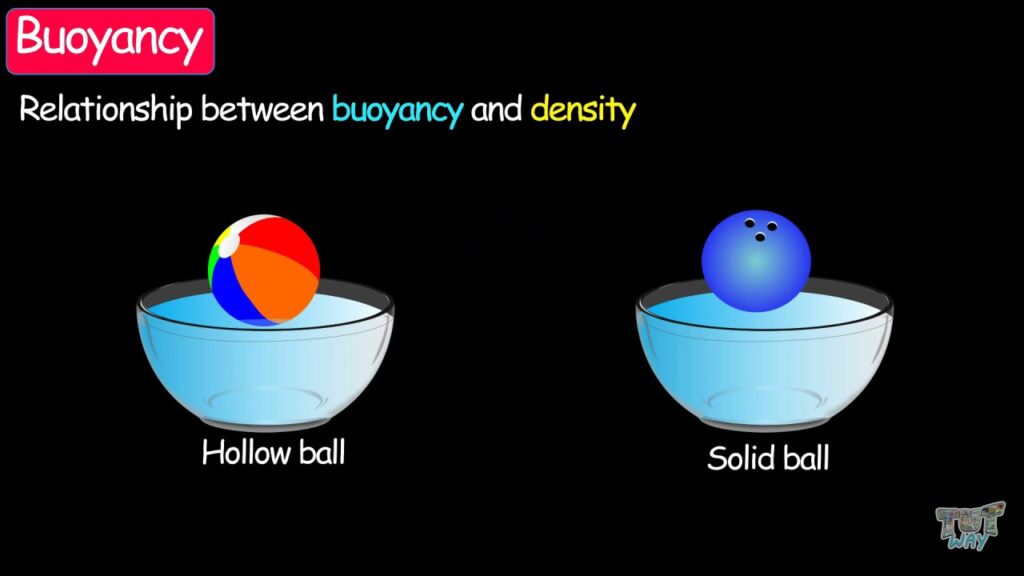
    • How does the volume of an object affect its buoyancy when fully submerged in water?

    Research questions like these ensure you stay engaged throughout the process while addressing a clearly defined relationship between variables.

    Pro Tip:
    Focus on the dependent and independent variables. Ensure the research question is aligned with concepts you understand or want to explore further. If you’re inspired by real-life phenomena — like why certain springs lose elasticity while riding a bicycle, or why objects float differently in various liquids like water and oil — you’re already on the right track.

    Tip 2: Plan a Feasible and Safe Experiment


    Your IA experiment doesn’t need to involve complex or expensive equipment. What matters is that it is scientifically sound and achievable with the resources you have.

    For instance, investigating Faraday’s Law of Induction can be done using basic equipment like a solenoid, magnet, and a voltmeter. Or, consider this classic experiment:

    • Rolling a toy car down a ramp and recording its starting height and time to pass a point at the bottom.

    This simple setup can help you study how height (potential energy) affects velocity (kinetic energy).

    Remember to include a risk assessment to address any safety concerns. For example, if you’re working with electrical components, note potential hazards like short circuits and ways to prevent them.

    Tip 3: Keep Your IA Well-Organised and Clear

    IB Physics IAs are not graded based on their level of complexity but on how well you meet the assessment criteria. A well-structured IA makes it easy for the examiner to follow your thought process.

    Here’s a recommended structure for your IA:

    1. Introduction: State your research question, provide background information, and explain the real-world significance of your study. The introduction should range from half a page to a full page.
    2. Methodology: Include a detailed, step-by-step process with diagrams of your experimental setup. Use bullet points to keep it concise. Use diagrams and NOT images.
    3. Data Collection: Present raw data in neatly labeled tables. Include units, uncertainties, and significant figures.
    4. Analysis: Process your data and display results in graphs or charts. For example, plot the relationship between temperature and the spring constant.
    5. Conclusion and Evaluation: Discuss trends, limitations, and improvements. Did your data support your hypothesis?

    Pro Tips:

    1. Use clear subheadings and avoid unnecessary jargon.
    2. Personal engagement criteria: Performing any investigation and gathering and processing any data in an accurate manner guarantees you a mark out of 2 for this criteria. However, if you focus on a backstory about wondering as a kid why thunder follows lightning, you might miss the second mark.

    Tip 4: Focus on Precision and Accuracy

    Physics is all about precision, so your IA should reflect that. Here’s how:

    • Take multiple measurements: Don’t just rely on a single trial. Repeating experiments and averaging results improve reliability. Include these in your evaluations, with possible reasoning for variation in results.
    • Account for uncertainties: For example, if you’re measuring time using a stopwatch, note the uncertainty (e.g., ±0.2s). Clearly present these in your data tables.
    • Calibrate your instruments: Ensure equipment like thermometers or voltmeters is properly calibrated before starting.

    For example, if you’re investigating buoyancy, ensure that your measurements of volume and force are as accurate as possible. Use tools like measuring cylinders for volume and digital force meters for weight.

    Tip 5: Reflect and Suggest Improvements

    The evaluation section is your chance to shine by showcasing your critical thinking skills. Highlight what worked, what didn’t, and how you could improve.

    • Strengths: Was your experiment reproducible? Were your measurements consistent?
    • Weaknesses: Did human error (e.g., reaction time) or equipment limitations (e.g., low-resolution measuring tools) impact your results?
    • Improvements: Could using a high-speed camera improve your time measurements in the toy car experiment? Would a more sensitive thermometer provide better insights in the steel spring experiment?

    Additionally, propose extensions to your research. For instance, if you studied how temperature affects a spring constant, you could suggest exploring the impact of material type on spring constant k as a follow-up.

    Tip 6: Take the Right Guidance and Build a Great IA for Physics

    Sometimes, choosing the right research question is not enough. Using the correct formula, and executing the experiment flawlessly requires a great deal of guidance and tutelage. That’s where we come in.

    With students coming to us for all subjects ranging from IGCSE to IB, University, and beyond, we have helped them score to the best of their ability with detailed, nuanced feedback.

    Have your IAs reviewed by us so we can leave you with great tips on improving the quality and structure of your IA.

    Or even better, book a solo session with us so we can help you build an IA from the get-go!


    Note: We provide detailed and tailored feedback and guidance to our students but we DON’T write their IAs for them

    Bonus Tip: Use Technology to Your Advantage

    Modern tools can make your IA not only more polished but also more accurate. Consider:

    • Data collection apps to reduce human error (e.g., for timing or measuring distances).
    • Online graphing tools like Desmos to create clean, precise visualizations.
    • Simulation software to test additional variables if resources are limited.

    Real-Life Applications to Motivate You

    Physics IAs aren’t just about getting good grades — they’re an opportunity to apply theory to real-world problems. Think about how your findings could relate to fields like engineering, environmental science, or even daily life. For instance:

    • Your investigation into buoyancy might help explain why massive cargo ships float despite their weight.
    • Exploring Faraday’s Law could connect to innovations in electric vehicle technology or renewable energy generation.

    The more you see the bigger picture, the more engaging and meaningful your IA becomes.

    Conclusion: Your IA Journey

    Writing your IB Physics IA is as much about discovery as it is about experimentation. With careful planning, curiosity, and attention to detail, you can create an IA that not only scores high but also reflects your growth in your chosen choice of career ahead.

    Remember, you’re not alone — resources like sample IAs, guidance from teachers, and platforms like Young Scholarz are here to support you. Now it’s time to roll up your sleeves and dive into your IA with confidence. Good luck, future physicist!

    Ready to start your lifelong journey with us?

    We guarantee an improvement in grades, with most students improving by an average of 2 bands.

    Sign Up Here

    Get in touch

    Expert Tuition for Academic & Career Success

    Marina Bay Financial Centre,
    Tower 2, Level 39,
    10 Marina Boulevard,
    Singapore 018983

    +65 97829419
    info@youngscholarz.com


    Popular Searches

    • IB Courses
    • IGCSE Courses
    • SAT/ACT/GRE/GMAT Courses
    • University Admissions
    • Free IGCSE English Assessment
    • Free IB English Assessment
    • User Sitemap

    Featured In


    Copyright © 2025 Young Scholarz

    Privacy Policy | Terms & Conditions
    PHP Code Snippets Powered By : XYZScripts.com