• info@youngscholarz.com
  • +65 97829419
Follow Us :
  • Login
  • /
  • Register
Young Scholarz
Young Scholarz
  • Courses
    • IGCSE
    • IB
    • American Curriculum
    • O/AS/A Level
    • School-Specific Curricula
    • Global Narratives- English Enrichment
  • Uni & Career Prep
    • College Counselling
    • Admissions Essays
    • Admissions Test Prep (SAT, GRE, GMAT, LNAT)
    • Language Exams (IELTS, TOEFL, etc.)
    • Career Counselling
  • Workshops
  • Student Resources
    • Academic Counselling
    • Paper Marking
    • Blog
    • Manage Your Stress
  • Beyond Academics
    • Profile Building
    • Life Skills Workshops
  • About
    • Our Story Our CEO and Founder
    • Our Team
    • Our Faculty
    • Our Alumni
    • Student Testimonials
    • Social Responsibility
    • Work With Us
    • Contact Us

Blog

Latest Blog

February 27, 2026

IB Exam Dates 2026: All Subjects | All Exam Zones:…

  The May 2026 IB Diploma Programme (DP) examination session, conducted by the International Baccalaureate...
Read More

Recent Releases

  • IB Exam Dates 2026: All Subjects | All Exam Zones: May 2026
  • February 27, 2026
  • Why Waiting Until Exam Season Is the Biggest Academic Mistake Parents Make
  • Why Waiting Until Exam Season Is the Biggest Mistake Parents Make
  • February 20, 2026
  • Strategic Preparation for International School Mocks
  • February 13, 2026
  • Term 2 Reality Check: Are Your Child’s Grades Where They Should Be by Now?
  • February 6, 2026
  • Categories

    Beyond Academics, Blog, Extra Curriculars, IB, IGCSE

    IB English Paper 1 vs Paper 2: What Students Should Know

    28 Sep 2025
    Beyond Academics, Blog, Books, Exams, Extra Curriculars, General, IB, IGCSE, Learning, Mental Health, Study Tips, University

    Leaving the nest: How to Cope with University Life

    19 Aug 2025
    Blog, Books, Exams, General, IB, IGCSE, Learning, University

    Global Narratives – A UWC-Inspired IGCSE & IB English Curriculum

    11 Aug 2025
    Beyond Academics, Blog, IB, IGCSE

    Make Your Summer Count: 10 Quick Courses to Stay Ahead

    18 Jul 2025
    Blog, Exams, Exams, IB, IGCSE

    IB Results Didn’t Turn Out as You Hoped? Here’s What to Do Next

    09 Jul 2025
    Beyond Academics, Blog, Extra Curriculars, IB, IGCSE

    Smart Summer Recharge: 10 Tips for IB & IGCSE Students

    04 Jul 2025
    Blog, IB, IGCSE, Learning, Study Tips

    Financial Literacy for IB & IGCSE Students: A Parent’s Guide

    06 Jun 2025
    Blog, General, IB, IGCSE, Learning, ToK, University

    From the CEO’s Desk: Balancing the Boardroom and the Classroom

    14 Feb 2025
    Blog, Books, Exams, General, IB, IGCSE, Learning, Study Tips

    How to Avoid Plagiarism: A Student’s Guide to Ethical Writing

    10 Jan 2025
    1 2 3 … 7 Next »
    Blog, Exams, IB, Study Tips

    IB Exam Dates 2026: All Subjects | All Exam Zones: May 2026

    27 Feb 2026
    Blog, Exams, IB, Study Tips

    Why Waiting Until Exam Season Is the Biggest Mistake Parents Make

    20 Feb 2026
    Blog, Exams, IB, Study Tips

    Strategic Preparation for International School Mocks

    13 Feb 2026
    Blog, Exams, IB, Study Tips

    Term 2 Reality Check: Are Your Child’s Grades Where They Should Be by Now?

    06 Feb 2026
    Blog, Exams, IB, Study Tips

    Are Exam Workshops Worth It? Who Should Attend and When

    30 Jan 2026
    Blog, Exams, IB, Study Tips

    Why Students Lose Marks Even When They “Know the Content”

    22 Jan 2026
    Blog, Exams, IB, Study Tips

    Mock Exams Explained: Why Smart Students Panic

    16 Jan 2026
    Blog, Exams, IB, Study Tips

    Singapore University Admissions 2026: How Competitive Is It?

    09 Jan 2026
    Blog, Exams, IB, Study Tips

    Happy New Year 2026 from Young Scholarz: Global Learning & Growth

    02 Jan 2026
    1 2 3 … 11 Next »
    Beyond Academics, Blog, Books, Exams, Extra Curriculars, General, IB, IGCSE, Learning, Mental Health, Study Tips, University

    Leaving the nest: How to Cope with University Life

    19 Aug 2025
    Blog, Books, Exams, General, IB, IGCSE, Learning, University

    Global Narratives – A UWC-Inspired IGCSE & IB English Curriculum

    11 Aug 2025
    Blog, Exams, Exams, IB, IGCSE

    IB Results Didn’t Turn Out as You Hoped? Here’s What to Do Next

    09 Jul 2025
    Blog, Exams, IB

    Do NOT Make These 7 Mistakes In Your IB English Lang Lit Paper 1 Exam

    21 Feb 2025
    Blog, General, IB, IGCSE, Learning, ToK, University

    From the CEO’s Desk: Balancing the Boardroom and the Classroom

    14 Feb 2025
    Blog, Books, Exams, General, IB, IGCSE, Learning, Study Tips

    How to Avoid Plagiarism: A Student’s Guide to Ethical Writing

    10 Jan 2025
    Blog, Books, Exams, General, IB, IGCSE, Learning, Study Tips

    Why Start English Classes Young? Is It Just About Exams?

    13 Dec 2024
    Blog, Books, Exams, General, IB, Learning, Study Tips

    Using AI as Your Study Buddy, But Ethically

    22 Nov 2024
    Blog, Books, Exams, General, IB, Learning, Study Tips

    Excelling in IB: The Open Book Advantage

    14 Nov 2024
    1 2 3 … 6 Next »
    Beyond Academics, Blog, Extra Curriculars, IB, IGCSE

    IB English Paper 1 vs Paper 2: What Students Should Know

    28 Sep 2025
    Beyond Academics, Blog, Books, Exams, Extra Curriculars, General, IB, IGCSE, Learning, Mental Health, Study Tips, University

    Leaving the nest: How to Cope with University Life

    19 Aug 2025
    Beyond Academics, Blog, Extra Curriculars, IB, IGCSE

    Smart Summer Recharge: 10 Tips for IB & IGCSE Students

    04 Jul 2025
    Beyond Academics, Blog, Extra Curriculars, General, Mental Health

    The Teen Mirror: Beauty, Social Media & Digital Literacy

    29 Jun 2025
    Beyond Academics, Blog, Extra Curriculars, Learning, Study Tips

    Essential Digital Skills for Teens (Beyond Instagram)

    20 Jun 2025
    Beyond Academics, Blog, Extra Curriculars

    Top Netflix Shows to Watch After Your IB/IGCSE Exams

    30 May 2025
    Extra Curriculars, General, News

    Announcement: Our CEO, Sunita Sharma, is recognised among the “Top 10 Women Leaders of the Year From Asia”.

    10 Dec 2024
    Blog, Extra Curriculars, General, IB, Learning, Study Tips, University

    Making CAS Your Own: Complete Requirements Through Your Hobbies

    01 Nov 2024
    Extra Curriculars, News, University

    Our Partnership with Ladder Internships

    30 Aug 2024
    1 2 Next »
    Beyond Academics, Blog, Books, Exams, Extra Curriculars, General, IB, IGCSE, Learning, Mental Health, Study Tips, University

    Leaving the nest: How to Cope with University Life

    19 Aug 2025
    Beyond Academics, Blog, Extra Curriculars, General, Mental Health

    The Teen Mirror: Beauty, Social Media & Digital Literacy

    29 Jun 2025
    Blog, Mental Health

    I’m Fine – But Really, Am I?

    20 Dec 2023
    Blog, Mental Health

    Common Mental Health Issues Students Face

    09 Oct 2023
    Blog, IB, IGCSE, Mental Health, University

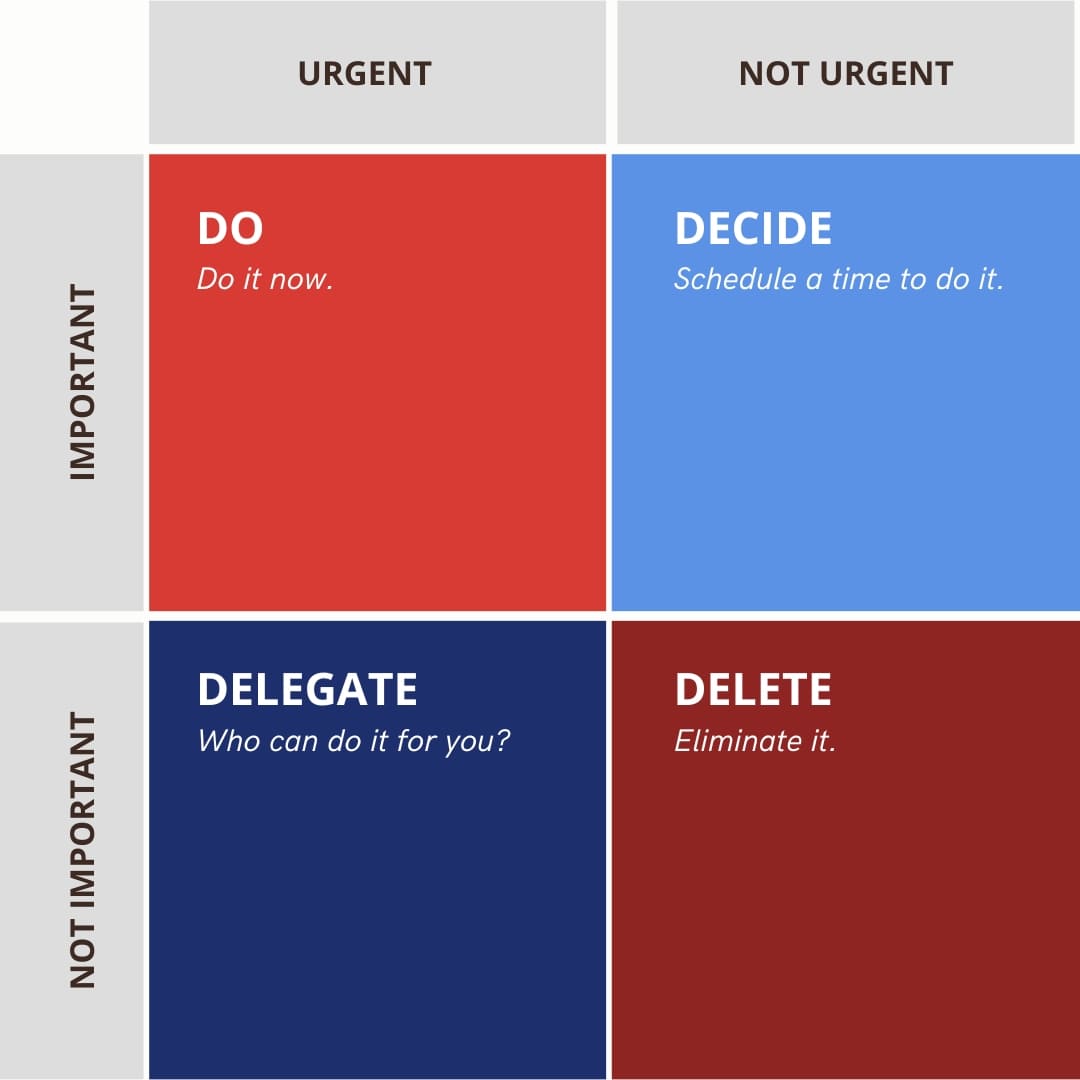
    Understanding and Applying the Eisenhower Matrix

    17 Feb 2023
    Blog, Mental Health

    Happy 2023! Past Year Reflections and Resolutions

    04 Jan 2023
    Blog, IB, IGCSE, Mental Health, University

    Using Loci to Learn Effectively

    18 Nov 2022
    Blog, IB, IGCSE, Mental Health, University

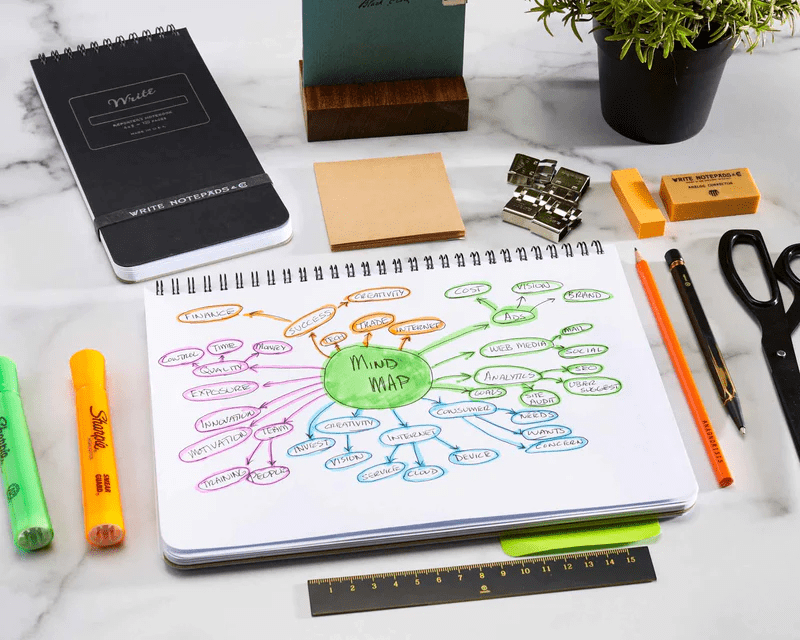
    How Mind Maps Help You Study Better

    05 Nov 2022
    Blog, IB, IGCSE, Mental Health, University

    Top 10 Free Productivity Apps and Tools for Students

    26 Oct 2022
    1 2 Next »
    Beyond Academics, Blog, Exams, IB, Study Tips

    TOK Essay: 10 Final Checks Before You Submit

    25 Oct 2025
    Beyond Academics, Blog, Exams, IB, Study Tips

    Predicted Grades: How to Make Them Work for You

    25 Oct 2025
    Beyond Academics, Blog, Exams, IB, Study Tips

    10 Smart Ways to Balance University Applications with A-Levels/IB

    04 Oct 2025
    Beyond Academics, Blog, Extra Curriculars, IB, IGCSE

    IB English Paper 1 vs Paper 2: What Students Should Know

    28 Sep 2025
    Beyond Academics, Blog, Books, Exams, Extra Curriculars, General, IB, IGCSE, Learning, Mental Health, Study Tips, University

    Leaving the nest: How to Cope with University Life

    19 Aug 2025
    Beyond Academics, Blog, IB, IGCSE

    Make Your Summer Count: 10 Quick Courses to Stay Ahead

    18 Jul 2025
    Beyond Academics, Blog, Extra Curriculars, IB, IGCSE

    Smart Summer Recharge: 10 Tips for IB & IGCSE Students

    04 Jul 2025
    Beyond Academics, Blog, Extra Curriculars, General, Mental Health

    The Teen Mirror: Beauty, Social Media & Digital Literacy

    29 Jun 2025
    Beyond Academics, Blog, Extra Curriculars, Learning, Study Tips

    Essential Digital Skills for Teens (Beyond Instagram)

    20 Jun 2025
    1 2 Next »

    Categories

    • IGCSE
    • IB
    • University
    • Extra Curriculars
    • Mental Health
    • Beyond Academics
    • Blog, Exams, IB, Study Tips

      IB Exam Dates 2026: All Subjects | All Exam Zones: May 2026

      27 Feb 2026
      Blog, Exams, IB, Study Tips

      Why Waiting Until Exam Season Is the Biggest Mistake Parents Make

      20 Feb 2026
      Blog, Exams, IB, Study Tips

      Strategic Preparation for International School Mocks

      13 Feb 2026
      Blog, Exams, IB, Study Tips

      Term 2 Reality Check: Are Your Child’s Grades Where They Should Be by Now?

      06 Feb 2026
      Blog, Exams, IB, Study Tips

      Are Exam Workshops Worth It? Who Should Attend and When

      30 Jan 2026
      Blog, Exams, IB, Study Tips

      Why Students Lose Marks Even When They “Know the Content”

      22 Jan 2026
      Blog, Exams, IB, Study Tips

      Mock Exams Explained: Why Smart Students Panic

      16 Jan 2026
      Blog, Exams, IB, Study Tips

      Singapore University Admissions 2026: How Competitive Is It?

      09 Jan 2026
      Blog, Exams, IB, Study Tips

      Happy New Year 2026 from Young Scholarz: Global Learning & Growth

      02 Jan 2026
      1 2 3 … 18 Next »
    Blog, Exams, IB, Study Tips

    IB Exam Dates 2026: All Subjects | All Exam Zones: May 2026

    27 Feb 2026
    Blog, Exams, IB, Study Tips

    Why Waiting Until Exam Season Is the Biggest Mistake Parents Make

    20 Feb 2026
    Blog, Exams, IB, Study Tips

    Strategic Preparation for International School Mocks

    13 Feb 2026
    Blog, Exams, IB, Study Tips

    Term 2 Reality Check: Are Your Child’s Grades Where They Should Be by Now?

    06 Feb 2026
    Blog, Exams, IB, Study Tips

    Are Exam Workshops Worth It? Who Should Attend and When

    30 Jan 2026
    Blog, Exams, IB, Study Tips

    Why Students Lose Marks Even When They “Know the Content”

    22 Jan 2026
    Blog, Exams, IB, Study Tips

    Mock Exams Explained: Why Smart Students Panic

    16 Jan 2026
    Blog, Exams, IB, Study Tips

    Singapore University Admissions 2026: How Competitive Is It?

    09 Jan 2026
    Blog, Exams, IB, Study Tips

    Happy New Year 2026 from Young Scholarz: Global Learning & Growth

    02 Jan 2026
    1 2 3 … 18 Next »


    The May 2026 IB Diploma Programme (DP) examination session, conducted by the International Baccalaureate Organization, will run from late April to mid-May 2026 worldwide.

    Whether you are taking IB in Asia, Europe, the Middle East, Africa, or the Americas, understanding:

    • 🌍 Your exam zone (A, B, or C)
    • 📅 The global exam window
    • 📚 Subject components across all six groups
    • 🗓 A structured revision timeline

    is essential for effective preparation. This guide provides a complete overview for all IB Diploma subjects across all time zones.

    IB Global Exam Zones Explained (May 2026)

    To ensure exam security and fairness, the IB divides the world into three synchronised testing zones.

    Table 1: IB Exam Zones & Global Coverage

    Zone Zone Codes Regions Covered Example Countries Approximate UTC Range
    Zone A TZ0 Americas USA, Canada, Brazil, Argentina UTC -3 to -8
    Zone B TZ1 Europe, the Middle East, and Africa UK, UAE, Germany, South Africa UTC -1 to +4
    Zone C TZ2 Asia-Pacific Singapore, India, China, Japan, Australia UTC +5 to +12

    Key Points:

    • Each zone receives exam papers at different coordinated global times.
    • Morning and afternoon sessions are synchronised within each zone.
    • Students must always follow their zone-specific timetable.

    IB May 2026 Exam Session Overview:

    Click on the Link for the entire timetable: https://www.ibo.org/globalassets/new-structure/programmes/dp/pdfs/may-2026-examination-schedule.pdf 

    Category Details
    Official Exam Session Late April – Mid May 2026
    Sessions Per Day Morning & Afternoon
    Duration ~3 weeks
    Time Standard Local time within each zone
    Daylight Saving Depends on the country

    Schools provide the final reporting time based on local regulations.

    IB Diploma Programme Subject Overview (All Groups)

    The IB Diploma consists of six academic groups plus core components.

    Group Subject Area Examples Assessment Type
    Group 1 Studies in Language & Literature English A, Language A Papers 1 & 2 + IO
    Group 2 Language Acquisition Spanish B, French Ab Initio Reading, Writing, Listening
    Group 3 Individuals & Societies Economics, Business, History Structured essays & data response
    Group 4 Sciences Biology, Chemistry, Physics MCQs, structured & extended response
    Group 5 Mathematics AA SL/HL, AI SL/HL Problem-solving papers
    Group 6 The Arts Visual Arts, Theatre, Music Practical & written tasks
    Core TOK, EE, CAS Theory of Knowledge Essay & Exhibition

    Exam Structure by Subject Category

    Although formats vary slightly, most subjects follow this pattern:

    Languages 

    Humanities 

    Sciences 

    Mathematics 

    Arts 

    (Group 1 & 2)

    (Group 3)

    (Group 4)

    (Group 5)

    (Group 6)

    • Analytical writing
    • Textual analysis
    • Listening components (Language B)
    • Comparative essays
    • Essay-based exams
    • Case studies
    • Data interpretation
    • Source analysis
    • Multiple-choice questions
    • Structured short answers
    • Extended response questions
    • Data analysis
    • Calculator & non-calculator papers (depending on course)
    • Multi-step problem solving
    • Mathematical reasoning
    • Coursework-heavy
    • Written reflections
    • Practical/portfolio assessment

    Global Revision Timeline for All Subjects (May 2026)

    To prepare effectively across subjects, structured long-term planning is essential. Here is a Table (All Subjects) to help you prepare better:

    Phase Timeline Focus Actions
    Foundation Phase Sept–Dec 2025 Content completion Finish syllabus, IA drafts, build summary notes
    Technique Phase Jan–Feb 2026 Exam skill development Timed practice papers weekly
    Simulation Phase March 2026 Full mock exams Alternate subjects under exam conditions
    Refinement Phase April 2026 Targeted improvement Strengthen the weakest topics
    Final 30 Days Late April 2026 Performance tuning Light review + exam stamina

    Time Zone Considerations & Performance Strategy

    Because IB operates in three zones:

    • Zone A students often test earlier globally
    • Zone C students may sit the paper many hours later
    • Question paper security is maintained through controlled release timing

    Strategic Advice:

    • Practice at your real exam start time (e.g., 09:00 local time)
    • Adjust sleep cycles at least 2 weeks before exams
    • Consider daylight saving changes (Zone B & C regions)

    🎓 Why Students Choose Young Scholarz for IB Excellence Across All Subjects

    At Young Scholarz, IB preparation is never generic. Our approach is structured, strategic, and fully aligned with official IB assessment criteria across Group 1 to Group 6 subjects, including English, Mathematics, Sciences, Humanities, Business Management, Economics, Psychology, and more. Students receive examiner-informed coaching designed to strengthen conceptual clarity, analytical depth, structured problem-solving, and time management under real exam pressure.

    Every subject is broken down into clear, repeatable frameworks tailored to its assessment components, whether that means mastering extended responses in Humanities, perfecting structured problem-solving in Mathematics, refining data analysis in Sciences, or developing high-scoring Internal Assessments and Extended Essays. Through timed simulations that mirror Zone A conditions and detailed feedback linked directly to grading bands, students gain precise insight into what is limiting their score and how to improve it.

    Instead of rote memorisation or last-minute cramming, students at Young Scholarz develop transferable exam skills, structured thinking, clarity of explanation, strategic planning, and disciplined time control — the exact competencies that consistently separate a 5 from a 7 across all IB subjects.

    Ready to Secure 6s and 7s in Your IB Subjects?

    Your 2026 results are being built right now.

    If you want structured preparation, personalised feedback, and a clear strategy tailored to your subject combination and Zone 

    A timelines, register with Young Scholarz today and receive your customised IB success plan.

    Start early. Prepare strategically. Perform confidently.

     Book an Academic Diagnostic Review Now👉


    Why Waiting Until Exam Season Is the Biggest Academic Mistake Parents Make

    It’s March. Mock results are disappointing.

    Your child says they studied. Revision timetables have appeared overnight. But something still feels off.

    If you’re a parent navigating IB or IGCSE pathways, this moment is familiar. Waiting until exams are around the corner to intervene is the single biggest academic mistake well-meaning parents make. Not because they don’t care,  but because they misunderstand how academic performance in IB and IGCSE systems actually works.

    Let’s unpack why.

    1. By IB & IGCSE Exam Season, 70–80% of Performance Patterns Are Already Set

    IB and IGCSE results are not decided in the final month. They are built across terms. By the time exams approach, students have already formed:

    • Writing patterns
    • Revision habits
    • Time-management behaviours
    • Response structures aligned (or misaligned) with mark schemes
    • Confidence levels under timed conditions

    In structured curricula like IB and IGCSE,  where assessment criteria are explicit and skill-based, performance is cumulative. Research on habit formation shows that behavioural patterns stabilise over repeated cycles. In academics, those cycles span months, not weeks. Trying to overhaul writing clarity, exam technique, analytical depth, and timing discipline in the final 4–6 weeks is like redesigning a house after the roof is already on. At that stage, you can decorate. You cannot reconstruct.

    2. More Studying Rarely Fixes the Real Problem

    When parents step in late, the default solution is predictable: “Study more.” But in IB and IGCSE programmes, volume does not equal precision. Most students are already studying. What they often lack is:

    • Alignment with IB and IGCSE marking criteria
    • Structured answering techniques
    • Analytical depth required for high-band responses
    • Clarity and sophistication in written expression
    • Application skills under timed pressure

    Academic performance research consistently shows that study quality impacts results more than study hours. Increasing hours without refining strategy produces exhaustion, not excellence.

    At Young Scholarz, we regularly see IB and IGCSE students increase effort by 30–40% before exams, with only marginal grade improvement. Why? Because effort without calibration does not compound. In criteria-driven systems like IB and IGCSE, marks are lost not from lack of intelligence, but from structural misalignment.

    3. Late Intervention Amplifies Pressure, and Pressure Shrinks Performance

    When preparation begins late, pressure intensifies especially when predicted grades are tied to university applications. Under high stress:

    • Working memory declines
    • Precision drops
    • Analytical thinking narrows
    • Students default to surface-level responses

    Cognitive psychology research shows that acute anxiety can reduce performance by 20–30% in high-stakes settings. In simple terms, the more urgent the atmosphere at home, the lower the intellectual clarity in the exam hall. Early preparation distributes pressure across time. Late preparation concentrates it. And concentrated pressure cracks.

    4. Big IB & IGCSE Grade Improvements Require Iteration, Not Motivation

    Improving from average to high performance in IB and IGCSE subjects requires structured cycles:

    Feedback → Correction → Reattempt → Refinement → Recalibration.

    Each cycle strengthens exam technique. But families who wait until exam season rarely have time for more than one or two rushed feedback loops. Meaningful improvement typically requires 8–12 structured practice cycles across months, especially in essay-based IB subjects and extended-response IGCSE papers. Motivational speeches do not replace systematic correction. Exam season is for polishing. Transformation happens long before.

    5. Confidence Is Built Months Before the IB & IGCSE Exams

    By the time students enter the exam hall, their internal narrative is already formed.

    Either: “I know exactly where I lose marks in IB/IGCSE assessments — and I know how to fix it.”

    Or: “I hope this goes well.”

    That confidence gap is not created in April. It is built through:

    • Calm analysis of mistakes
    • Structured improvement plans
    • Visible, trackable progress
    • Repeated exposure to exam-standard questions

    When families intervene early, students feel in control. When families intervene late, students feel evaluated. And control builds performance. Evaluation builds fear.

    This Is Your Window. Don’t Miss It.

    If your child’s grades feel active but unpredictable, this is the moment to assess. Not in April. Not after predicted grades are submitted.

    But Now.

    At Young Scholarz, we know one thing for certain: the biggest improvements happen before exam season pressure begins. If you’re unsure whether your child is truly on track, this is the time to act, not when stress is already high. Start early. Correct strategically. Build predictably.

     Book an Academic Diagnostic Review Now👉


    Mock examinations rarely surprise students academically. They surprise them psychologically.

    Across Singapore’s leading international schools, including UWCSEA, Tanglin Trust School, Singapore American School (SAS), Dulwich College Singapore, Canadian International School (CIS), Stamford American International School, and GESS, mock exams are structured academic benchmarks within IB, IGCSE, A Levels, AP, and MYP pathways. Performance often shapes predicted grades, subject placement decisions, and university conversations.

    The same structure exists across international schools in Dubai, Doha, Hong Kong, London, Mumbai, and other global education hubs. The curricula are internationally benchmarked. The assessment criteria are standardised. Expectations are aligned.

    Mocks are not informal practice papers. They are performance indicators. And for many students, they are 8–12 weeks away. This is not a moment for panic. It is a moment for recalibration.

    What International School Students Should Be Doing Now

    This is not the phase for expanding notes. It is the phase for tightening performance. Below is a focused framework for IB, IGCSE, A Levels, AP, and MYP students.

    1. Audit Your Last Assessment With Precision

    Do not review the grade. Review the pattern. Ask:

    • Which specific questions reduced the score?
    • Were command terms misinterpreted?
    • Was the evaluation insufficient?
    • Did structure weaken clarity?
    • Was time management a limiting factor?

    Curriculum-specific examples illustrate this clearly:

    • IB English Paper 1: Students often analyse devices but fail to evaluate authorial intent.
    • IGCSE Math: Marks are frequently lost for skipping working steps.
    • AP Economics: Graphs are drawn correctly but misapplied under time pressure.
    • A Level History: Essays contain knowledge but lack a sustained argument.
    • IB Economics: Evaluation is present, but not consistently integrated.

    These are not knowledge problems. They are execution problems. Mocks reward execution.

    2. Study Mark Schemes, Not Just Content

    International curricula are criterion-driven.

    • IB rewards analysis, evaluation, and perspective.
    • IGCSE prioritises precision and accurate command term response.
    • A-levels demand depth and structured argumentation.
    • AP courses require correct application under time limits.
    • MYP assesses clearly defined criteria strands.

    High-performing students understand how marks are allocated before attempting questions. Examiners award alignment,  not effort. If your answer does not reflect the descriptor language of the mark scheme, improvement remains limited, regardless of study hours.

    3. Define Weaknesses Specifically

    Vague statements produce vague preparation. Replace:

    • “Math is difficult.”
    • “I struggle with English.”
    • “Economics essays are confusing.”

    With:

    • “I lose marks in probability word problems.”
    • “My Paper 1 analysis lacks evaluation.”
    • “My economics essays describe rather than analyse.”
    • “I misinterpret 6-mark ‘explain’ questions.”

    Specific weaknesses can be corrected systematically. General anxiety cannot.

    4. Train Under Timed Conditions, Weekly

    Content knowledge without timing discipline is incomplete preparation. Begin immediately:

    • One timed section per subject weekly
    • Progress to full-length papers
    • Enforce strict stopping at time limits

    Mock test pacing, clarity, and decision-making under pressure. Structured timed practice consistently produces faster grade improvement than passive revision.

    5. Refine Writing Structure

    Across IB, IGCSE, A Levels, and AP, structured responses outperform content-heavy but disorganised answers. Focus on:

    • Clear thesis statements
    • Logical paragraph sequencing
    • Direct engagement with the question
    • Integrated evidence
    • Explicit evaluation is required

    Often, the gap between mid-band and top-band performance is structural discipline,  not intelligence.

    6. Consolidate Strategically

    This is not the stage for expanding notes. Instead:

    • Reduce topics to one-page summaries
    • Compile formula sheets or quotation banks
    • List recurring examiner expectations
    • Address conceptual gaps immediately

    Effective revision becomes sharper as exams approach. It does not become heavier.

    7. Reduce Emotional Noise

    International school environments amplify comparison, predicted grades, university aspirations, and peer progress. Mocks are not verdicts. They are calibration tools. Overreaction produces:

    • Overloaded schedules
    • Constant subject switching
    • Longer study hours without measurable gains

    Measured correction produces stability. Stability produces performance.

    Final Thought

    Mocks are closer than you think. Urgency does not require anxiety. It requires:

    • Diagnostic clarity
    • Targeted correction
    • Timed execution
    • Rubric fluency
    • Structured feedback

    Students who recalibrate now enter mocks composed. Students who delay entering reactively.

    If Your Child’s Mocks Are 8–12 Weeks Away

    This window often determines predicted grades. Strategic correction now prevents emergency intervention later. If mock preparation requires structure, subject-specific mentoring, or performance diagnostics, this is the phase to act, not after results are released. Mocks should feel controlled. Preparation should feel deliberate.

    Schedule a free call with our Academic coordinator now👉

    For many parents, Term 2 is when a quiet concern starts to surface.

    The novelty of the new academic year has worn off. Parent–teacher meetings or mid-term reports have happened. Somewhere between January and March (or February to April, depending on the school calendar), a thought creeps in:

    “Are these results normal for this stage, or should we be worried?”

    If you’re a parent of an IB or IGCSE student, this question is not only valid it’s timely.

    Why Term 2 Is a Crucial Academic Checkpoint

    Term 1 is usually forgiving. Students are adjusting to:

    • New teachers
    • New marking styles
    • Higher expectations
    • More independent learning

    By Term 2, however, schools expect students to be fully settled. In both IB (MYP & DP) and IGCSE, Term 2 is when:

    • Content becomes deeper and more demanding
    • Assessments start reflecting exam-style thinking
    • Teachers focus less on effort and more on outcomes
      Learning gaps begin to show clearly

    This is why educators often see Term 2 as a benchmark term, not the final result, but a strong indicator of where the year is heading.

    Grades Matter, But Patterns Matter More

    Many parents fixate on the grade itself:

    • A 5 instead of a 6
    • A B instead of an A
      A sudden dip in one subject

    But what matters more than the grade is the pattern behind it. Ask yourself:

    • Are results improving, stagnating, or slipping since Term 1?
    • Are similar mistakes appearing across tests?
    • Is effort translating into marks or not?
    • Does your child understand why marks were lost?

    Real parent moments:

    • “My child studies for hours but still gets a 5.”
    • “Teacher comments keep saying ‘needs more depth.’”
    • “Marks dropped but effort increased.”

    In IB and IGCSE, grades often drop not because students don’t study, but because how they study no longer matches curriculum expectations.

    The Risk of Waiting Until Term 3

    A common parent instinct is: “Let’s see how the next term goes.”

    The challenge is that Term 3 is rarely a “fixing” term. By then:

    • Syllabus coverage accelerates
    • Revision replaces re-teaching
    • Internal assessments (IB) or coursework expectations tighten
    • Academic pressure increases significantly

    Students who enter Term 3 often are unsure:

    • Memorise instead of understanding
    • Avoid higher-order questions
    • Lose confidence, even if capable

    Early intervention in Term 2 is not about pressure; it’s about preventing stress later.

    If you’re noticing:

     repeated comments like “needs more depth” or effort not translating into marks, this is the perfect time for a calm check-in.

    At Young Scholarz, we work with IB and IGCSE families exactly at this stage when results aren’t alarming, but questions are forming. Our Academic Progress Review gives clarity, not pressure.

    A Simple Term 2 Check for Parents

    Reflect on these questions:

    • Can my child clearly explain their mistakes?
    • Are teacher comments repeating the same concerns?
    • Do we understand what the curriculum expects at this stage?
    • If nothing changes now, will the outcome realistically improve?

    If answers feel unclear, that’s not a failure; it’s a signal that clarity is needed.

    Final Thought

    By the end of the academic year, results feel final. By mid-Term 2, they are still shapeable.

    The real question isn’t: “Is my child doing badly?”
    It’s: “Is my child on track, and do we know exactly how to support them before pressure peaks?”

    Schedule an Academic progress review now👉

    As exams approach, many IB and IGCSE students find themselves studying harder but feeling less certain. Revision schedules get longer, notes pile up, and yet the same question keeps coming up:

    Is this actually helping me score better?

    This is often where exam workshops enter the conversation. Some families see them as helpful guidance. Others worry that they add unnecessary pressure. The reality is more balanced. Exam workshops can be extremely useful, but only when they are used for the right reasons and at the right time.

    What Exam Workshops Are Meant to Do

    Exam workshops are not designed to replace regular classes or long-term tutoring. Their purpose is much more specific.  They are meant to help students understand how exams work, not just what the syllabus contains.

    A well-structured IB exam workshop focuses on:

    • How IB exam papers are set and assessed
    • What different command terms actually require
    • How mark schemes reward structure, application, and clarity
    • Where students commonly lose marks, even when they know the content

    Rather than adding more information, workshops aim to make existing knowledge more usable in an exam setting.

    Why Strong Students Still Lose Marks

    One of the most common patterns across IB subjects is students underperforming despite consistent effort. This usually has less to do with ability and more to do with exam technique.

    For example:

    • A Business or Economics student may explain concepts well but fail to apply them directly to the case study.
    • A History or Global Politics student may know the content thoroughly but miss evaluation or a clear line of argument.
    • A Maths student may understand the method but lose marks through incomplete working or misreading the question.

    Exam workshops help students recognise these patterns early by breaking down real exam-style questions and showing how examiners actually allocate marks.

    Who Benefits Most from Exam Workshops?

    Exam workshops tend to be most effective for students who already have a basic grasp of the syllabus and want to improve how they perform in assessments.

    They are particularly useful for:

    • Students aiming to move up a grade band
    • Learners who repeatedly lose marks for similar reasons
    • Students are unsure what examiners are looking for
    • IB students preparing for mocks or final exams

    Workshops are less helpful as a last-minute solution for students who have not yet engaged with the course content. They work best as a refinement tool, not a replacement for study.

    When Is the Right Time to Attend One?

    Timing plays a significant role in how effective a workshop will be.

    • A few months before exams
      This is often ideal. Students have time to adjust revision strategies, practise new techniques, and apply feedback meaningfully.
    • During the revision phase
      Workshops can help students prioritise topics, understand question patterns, and revise more efficiently rather than trying to cover everything at once.
    • Very close to exams
      At this stage, workshops are most useful for consolidation and confidence-building rather than learning entirely new approaches.

    What Makes an Exam Workshop Worth Attending?

    Not all exam workshops offer the same value. The most effective ones are focused, subject-specific, and grounded in assessment criteria.

    A strong IB exam workshop:

    • Uses real exam questions and mark schemes
    • Explains why certain answers score higher
    • Focuses on application, structure, and clarity
    • Is tailored to individual subjects, not generic exam tips

    At Young Scholarz, exam workshops are designed around specific IB subjects such as Business Studies, Economics, Languages, History, Psychology, and more. This subject-focused approach helps students understand how expectations differ across papers—and how to adjust their answers accordingly.

    Drawing on nearly two decades of working with IB students, these workshops are built around the patterns, pitfalls, and examiner expectations that consistently affect student performance.

    A Balanced Perspective for Students and Parents

    Exam workshops are not shortcuts or guarantees. They do not replace consistent study, regular practice, or classroom learning.

    However, when chosen thoughtfully, they can provide something many students struggle with: clarity.

    • For students, this often means understanding why marks are being lost and how to improve future answers.
    • For parents, it offers reassurance that preparation is aligned with how exams are actually assessed, not just how much content has been covered.

    So, Are Exam Workshops Worth It?

    For IB and IGCSE students navigating demanding assessments, exam workshops can be worthwhile when they are well-timed, subject-specific, and focused on exam thinking rather than content overload.

    In a system where success depends not only on what students know but on how effectively they demonstrate it, understanding examiner expectations can make a meaningful difference.

    Used properly, exam workshops are not an extra burden but a strategic step towards clearer, more confident exam preparation.

    A Thoughtful Next Step

    For students who want clearer direction in their exam preparation and for parents looking to support them without adding pressure, subject-specific exam workshops can offer a valuable checkpoint.

    👉 Explore our upcoming subject-specific IB exam workshops.

    An IB and IGCSE Perspective

    Many IB and IGCSE students lose marks not because they don’t understand the content, but because they don’t understand how marks are awarded. This is one of the biggest and most fixable reasons capable students underperform in exams.

    Students revise thoroughly, attend classes, and feel confident walking out of exams. Yet when results arrive, grades often fall short of expectations. Parents are left wondering why hard work is not translating into outcomes, and students begin to feel that exams are unpredictable or unfair.

    The reality is simpler and more structural. IB and IGCSE exams do not reward memory alone. They reward exam literacy: the ability to respond precisely to rubrics, mark schemes, command terms, and examiner expectations.

    Who This Article is For:

    IB and IGCSE students who “know the content” but don’t hit top bands and
    Parents of students whose effort isn’t reflected in their grades. If this sounds familiar, this article is directly relevant.

    1. Why Knowing the Syllabus Still Isn’t Enough

    Most students revise the syllabus carefully. Very few understand the assessment rubrics that determine how their answers are judged.

    In IB English Language and Literature, a student may correctly identify themes, tone, and stylistic devices. However, if the response does not demonstrate sustained analysis or conceptual insight, it cannot be assigned to the top mark bands.

    In IGCSE subjects, students often write accurate explanations but fail to demonstrate the specific skill being assessed, such as evaluation, comparison, or application.

    When students do not understand what each level of the rubric demands, they write without a clear target. Their answers may be correct, but they are not built to score highly.

    How Young Scholarz helps: At Young Scholarz, students learn to use rubrics as planning tools, so every answer is built to meet top-band criteria.

    2. Why “Good Answers” Still Lose Marks

    A common misconception is that if an answer sounds logical and shows understanding, it should receive full marks.

    In IGCSE Science, students may correctly explain a process but lose marks because a key term required by the mark scheme is missing. In IB subjects, answers that are accurate but general often remain stuck in the middle bands.

    Mark schemes reward precision, not intention.

    Understanding a concept is essential, but marks are awarded only when that understanding is expressed in specific, examinable terms.

    How Young Scholarz helps:  Students are trained to work directly with mark schemes so they know which terms, explanations, and links are essential for marks to be awarded.

    3. Writing Everything You Know Instead of What the Question Demands

    Many students assume that writing more will protect their marks, but in reality, this approach often works against them. In IB English Paper 1, responses frequently analyse multiple language features without clearly linking them to the guiding question, purpose, or audience. Similarly, in IGCSE Economics or Geography, students may demonstrate strong conceptual understanding yet fail to apply it to the specific context provided. In both cases, knowledge is evident, but the focus of the question is missed.

    How Young Scholarz helps: Students learn how to identify the core demand of each question and select only the ideas that directly earn marks. Writing becomes intentional, not excessive.

    4. Command Terms Are Misunderstood and Underused

    Command terms determine the structure of an answer, yet they are one of the most overlooked parts of exam preparation.

    Students often explain when asked to analyse, describe when asked to evaluate, or list points when asked to discuss. Even with strong content knowledge, this mismatch caps performance.

    How Young Scholarz helps: YS builds command-term fluency through guided practice, helping students reshape the same content depending on whether analysis, evaluation, or discussion is required.

    5. What Examiners Want Is Often a Mystery

    Most students never clearly see:

    • Why do two similar answers score differently
    • What examiners consistently reward
    • What prevents an answer from reaching the top band

    As a result, marks can feel unpredictable and discouraging.

    How Young Scholarz helps: Students work with examiner-style responses, band comparisons, and annotated samples so expectations become visible and achievable.

    6. Before and After Example

    IB English Language and Literature

    Question: Analyse how language is used to convey the writer’s attitude towards social inequality.

    Before:

    After:

    • The writer uses emotive language and metaphors to show inequality.
    • Words like “suffocating” and “trapped” suggest that people are unhappy. This shows that inequality exists in society and affects people badly.
    • The writer’s use of emotive language, such as “suffocating”, constructs social inequality as an oppressive and inescapable condition, revealing a critical attitude towards existing social structures.
    • The metaphor of entrapment positions marginalised individuals as powerless, encouraging the reader to question the fairness and moral legitimacy of such inequality.
    • This response shows understanding but remains descriptive.
    • Here, the student links language choice to attitude, purpose, and reader response, aligning with top-band IB criteria.

    7. Time Management Often Hides Real Ability

    Even well-prepared students lose marks because they spend too long on low-value questions and rush high-mark ones. Answers remain underdeveloped, not because students lack ideas, but because time runs out.

    How Young Scholarz helps: YS integrates timing strategy into exam practice so students know how much depth each question requires and how to prioritise effectively.

    The YS Focus: Turning Knowledge into Marks

    IB and IGCSE exams are not just tests of what students know. They are tests of how well students understand assessment expectations and communicate under pressure.

    At Young Scholarz, we bridge the gap between understanding and performance by aligning content knowledge with rubrics, mark schemes, and examiner expectations.

    Because in exams, knowledge only matters when it is visible, relevant, and rewarded on the page.

    Not sure why your child is losing marks despite strong preparation?
    Book an academic review with our team to identify exactly where marks are being lost and how to fix it.


    You open your mock exam results expecting a confirmation of all the hard work you’ve put in. Instead, your stomach drops. The grades feel lower than expected. The feedback feels harsher. And suddenly, questions creep in that have nothing to do with the paper itself: Am I actually good at this? Why does it feel like everything fell apart? What if this happens in finals?

    This reaction is far more common than students realise, especially among high-achieving IB, IGCSE, and A Level students. Mock exams have a way of shaking confidence, even when preparation felt solid. But here’s the truth most students aren’t told early enough:
    Mocks aren’t designed to reward effort or comfort. They’re designed to expose exam performance gaps.

    Once you understand what mock exams are really testing, the panic starts to make sense, and becomes far more manageable.

    What Mock Exams Actually Test (Across IB, IGCSE & A Levels)

    1. Application Over Memorisation

    Across all major international exam boards, assessment objectives prioritise application, analysis, and evaluation over rote learning.

    • IB assessments reward interpretation, synthesis, and critical thinking
    • IGCSE papers increasingly use unfamiliar contexts to test adaptability
    • A Levels demand depth, precision, and sustained argument

    Mocks are built to reflect this reality.

    “I revised everything, but the questions asked me to think, not recall.” — IB Grade 11 student

    This is intentional. Exam boards are not asking what you know; they are assessing how well you can use it under pressure.

    Takeaway: Mocks reward thinking under pressure, not perfect recall.

    2. Command Terms and Examiner Expectations

    One of the biggest reasons students lose marks in mock exams is misunderstanding command terms. For example:

    • Describe ≠ Explain
    • Analyse ≠ Evaluate

    IB, Cambridge, and Pearson mark schemes reward answers that directly match the instructional demand of the question, not answers that simply sound detailed.

    “My teacher said my answer was strong, but it didn’t meet the band descriptors.” — IGCSE student

    Mocks are often the first time students experience strict, exam-board-aligned marking, which can feel unforgiving compared to internal assessments.

    Takeaway: Strong answers still lose marks if they don’t match the command term.

    3. Why Mocks at Schools Like UWCSEA Feel More Intense

    In academically rigorous environments, such as UWCSEA and similar international schools, mock exams are deliberately challenging. They are often:

    • Slightly more demanding than regular class tests
    • Marked conservatively
    • Used to assess readiness rather than reward effort

    This approach aligns with a focus on growth, reflection, and preparation, rather than grade comfort.

    “The mocks felt tougher than expected, but they showed me exactly what I needed to fix.” — UWC Diploma Programme student

    While mock results may feel discouraging initially, students who respond strategically often see significant improvement by final exams.

    Takeaway: Mocks feel hard because they’re designed to prepare you for the real standard.

    4. Timing, Stamina, and Exam Conditions

    Mocks also test something students consistently underestimate: exam endurance. They reveal:

    • Whether time is being allocated effectively
    • How fatigue impacts clarity and accuracy
    • Whether performance drops toward the end of the paper

    Data from international school exam centres shows that a significant proportion of lost marks comes from poor time management, not lack of understanding. Mocks surface this early, while there’s still time to fix it.

    Takeaway: Knowing the content isn’t enough if timing and stamina collapse.

    5. Why High-Achieving Students Panic the Most

    Paradoxically, students who usually perform well often struggle the most emotionally after mocks. Common reasons include:

    • Extremely high self-expectations
    • Discomfort with stricter, external-style marking
    • Difficulty shifting from coursework success to exam-style performance

    “It was the first time I felt genuinely unsure in an exam.” — A Level student

    Mocks don’t just test academics; they challenge confidence. But they also recalibrate it in a way that ultimately strengthens performance.

    Takeaway: Panic often signals high standards, not low ability.

    6. What Mock Results Do and Do Not Mean

    Mock exams:
    ✔ Indicate current exam readiness
    ✔ Highlight gaps in technique and interpretation
    ✔ Provide clear direction for improvement

    They do not:
    ✘ Predict final grades
    ✘ Define academic ability
    ✘ Measure long-term potential

    Exam boards assess students against criteria, not against classmates. What matters most is how students respond after mocks, not the mock grade itself.

    Takeaway: Mocks are feedback, not forecasts.

    7. How Successful Students Use Mock Feedback

    Students who improve the most after mocks typically:

    • Analyse examiner feedback in detail
    • Rewrite answers using mark schemes
    • Practise under timed conditions
    • Focus on structure, clarity, and relevance

    “Once I understood how answers were marked, my confidence returned.” — IB HL student.

    Mocks become powerful when treated as guided practice, not judgment.

    Takeaway: Improvement comes from decoding feedback, not just revising harder.

    How Young Scholarz Supports Students Through Mock Exams

    At Young Scholarz, we work closely with IB, IGCSE, and A Level students, many from high-pressure international schools in Singapore and globally, specifically during the mock exam phase.

    Our focus is clear: We don’t reteach content. We fix exam performance.

    We help students:

    • Decode examiner expectations and mark schemes
    • Interpret command terms accurately
    • Improve exam structure, timing, and clarity
    • Turn mock feedback into a clear, personalised action plan

    Mock exams are not endpoints. When approached correctly, they become turning points. Turn your mock results into a clear, personalised action plan before finals.

    👉 Book a mock exam review session with Young Scholarz


    Singapore University Admissions 2026: How Competitive Is It?- Young Scholarz

    Singapore has long been recognised as Asia’s academic powerhouse. In 2026, however, gaining admission to a Singapore university is no longer just about achieving high grades.

    The admissions process has become strategic, data-driven, and increasingly holistic. With sustained international demand and carefully controlled intake numbers, universities are redefining what they mean by “merit.” As a result, academic results alone are no longer decisive.

    For families in Singapore with children following the IB, IGCSE, or A-level pathways, university applications today are less about being top scorers and more about being academically aligned, intentionally prepared, and intellectually mature.

    Below are five key realities every parent should understand about Singapore university admissions in 2026.

    1. Singapore Universities Build Selectivity Into Their Admissions

    Trends or yearly fluctuations do not drive competition for Singapore universities.
    It is built into the system. Universities such as NUS, NTU, SMU, SUTD, and SIT deliberately limit undergraduate intake to preserve:

    • Teaching quality
    • Graduate employability
    • Strong academic engagement

    This means that even highly capable students may not receive offers, not because they are weak, but because places are limited by design. In 2026, selectivity is structural. It is not a reflection of student failure.

    2. Universities Expect Strong IB, IGCSE and A-level Grades as a Starting Point

    Admissions teams expect strong academic performance from applicants based in Singapore. Typical profiles include:

    • IB predicted scores in the low-to-mid 40s, with relevant Higher Levels
    • Multiple A*s at IGCSE, followed by academically rigorous A-level combinations
    • Consistent performance across coursework, internal assessments, and examinations

    These results are important, but they are no longer enough on their own. Universities now look closely at academic shape:

    • Why were these subjects chosen?
    • Do they show progression and depth?
    • Is learning driven by curiosity or compliance?

    Grades open the door. They no longer guarantee entry.

    3. Universities Closely Examine Subject Choices and Academic Alignment

    In 2026, Singapore universities assess applications through the lens of the specific degree applied for. A strong overall score may still fall short if subject choices do not clearly support the intended course. For IB students, this often means:

    • Higher-level subjects must align with the chosen field
    • The Extended Essay should reflect academic direction
    • Internal assessments should demonstrate thinking, not just syllabus coverage

    Illustrative example:
    Two IB students apply for Economics. Both are predicted to score 41 points.

    • One student takes HL Economics, HL Mathematics AA, and HL Physics, with an Extended Essay on income inequality.
    • The other takes HL Economics but pairs it with unrelated Higher Levels and an EE in a different discipline.

    Both students are academically strong. Only one presents a coherent academic narrative. In competitive admissions, alignment matters.

    4. Universities Read Personal Statements as Academic Narratives

    Universities No Longer Read Personal Statements as Personal Stories. They are evaluated as academic positioning pieces. What weakens an application:

    • Generic leadership or volunteering stories
    • Broad claims of “passion” without evidence
    • Extracurriculars unrelated to the chosen course

    A common contrast admissions teams see:

    A weaker statement says:
    “I have always been passionate about psychology and enjoy helping people. Through leadership roles, I developed communication skills.”

    A stronger statement says:
    “Studying cognitive bias in IB Psychology led me to question how decision-making changes under pressure. This interest deepened through my Extended Essay on behavioural economics, leading me to examine how psychology informs public policy. The difference is not enthusiasm. It is intellectual specificity.

    5. Interviews and Assessments Test How Students Think, Not How Well They Rehearse

    For selective programmes, interviews and written assessments often determine outcomes. Universities assess:

    • Clarity of thought under pressure
    • Ability to reason and adapt
    • Ethical and analytical judgement

    Students who rely on memorised answers often struggle. Those who can think aloud, respond thoughtfully, and defend ideas logically tend to perform far more strongly. In 2026, admissions teams are selecting students for intellectual readiness, not polish.

    A Young Scholarz Perspective: What Actually Makes the Difference

    At Young Scholarz, we work closely with IB, IGCSE and A-level students in Singapore who are academically capable—but often unsure how to translate that ability into a strong university application. What we see consistently is this:

    Successful applicants are not doing more. They are doing the right things, early, and with clarity. Strong applications are built over time through:

    • Thoughtful subject choices
    • Academic depth beyond the syllabus
    • Strong writing and critical thinking
    • Clear alignment between learning and future direction

    In a system as competitive as Singapore’s, intentional preparation matters far more than last-minute excellence. For university applications in 2026 and beyond, the focus is not perfection; instead, it is coherence, confidence, and academic direction.

    As we welcome 2026, everyone at Young Scholarz sends our warmest New Year wishes to our students, parents, and families across the world. A new year brings renewed energy, fresh perspectives, and the hope that learning can feel clearer, calmer, and more meaningful.

    At Young Scholarz, the New Year is not about rushing into resolutions. It is about resetting with intention, reflecting on growth, understanding what truly matters, and moving forward with confidence in an increasingly interconnected world.

    Learning in 2026: Beyond Classrooms, Curricula, and Borders

    Education today no longer sits within the boundaries of one country or one exam board. Students studying IB, IGCSE, A Levels, AP, and preparing for SAT and university admissions are part of a global academic ecosystem, where universities, careers, and ideas move across continents. In 2026, students are expected to do far more than recall information. They are learning to:

    • Think critically and independently
    • Write and speak with clarity, purpose, and voice
    • Navigate academic pressure with resilience
    • Understand global issues, perspectives, and identities

    These expectations can feel demanding. With the right guidance, however, they become empowering and deeply rewarding.

    A Warm New Year Note to Our Students

    To our students, wherever you are studying in the world: As you begin 2026, remember that growth does not always happen in visible leaps. Sometimes it appears quietly, in clearer understanding, stronger writing, improved focus, or the confidence to ask better questions. This year, we hope you hold onto a few important truths:

    • You are more than your grades
    • Learning is a process, not a race
    • Struggle is not failure; it is part of progress
    • Asking for help is a strength, not a weakness

    We see your effort. We see your persistence. At Young Scholarz, we are proud to walk beside you, helping learning feel structured, purposeful, and achievable.

    A Thoughtful New Year Note to Our Parents

    To our parents and families:

    Thank you for placing your trust in us. We understand the care, concern, and countless decisions that go into supporting a child’s education, especially within rigorous systems like IB, IGCSE, A Levels, and AP. As 2026 unfolds, we hope you feel reassured that:

    • Consistency matters more than perfection
    • Confidence grows when children feel supported, not compared
    • Academic success is strongest when paired with well-being

    We deeply value our partnership with you and remain committed to guiding students toward both academic excellence and personal growth.

    The Young Scholarz Approach in 2026

    Young Scholarz is a Singapore-based global education hub, supporting students studying anywhere in the world. Our philosophy is clear and intentional: we teach students how to think, not just what to study, so learning stays with them long after exams end. In 2026, our work continues to focus on:

    • Personalised teaching for IB, IGCSE, A Levels, and AP through small groups and 1:1 sessions
    • Detailed paper marking and exam-focused feedback
    • Academic and subject-choice counselling
    • University pathway planning, essays, résumés, and interview coaching
    • SAT preparation and profile-building support
    • Mental wellness counselling to support sustainable success

    We aim to help students connect knowledge with confidence, and ambition with balance.

    Spotlight on Global Narratives: Learning to Think, Write, and See the World

    One of our most exciting offerings for 2026 is Global Narratives, a transformative English enrichment programme designed for Grades 9 and 10.

    Inspired by UWC, IB  and IGCSE curricula, Global Narratives helps students become insightful readers, thoughtful writers, and confident communicators by exploring literature, media, and storytelling from across the world.

    Through global voices, literary analysis, media studies, and comparative writing, students build:

    • Strong foundations in analytical and creative writing
    • Critical thinking and global awareness
    • Confidence in expressing ideas with clarity and purpose
    • Essential skills for IGCSE success and IB readiness

    Global Narratives reflects what we believe education should be deep, interdisciplinary, and connected to the real world.

    Preparing Students for a Global Future

    The future our students are stepping into is shaped by global mobility, evolving careers, and rapid change. Universities are increasingly seeking learners who can think across cultures, analyse ideas deeply, and communicate with insight and empathy.

    At Young Scholarz, we believe education should prepare students not just for examinations, but for life beyond them. That means nurturing curiosity, clarity of thought, and the confidence to engage meaningfully with the world.

    Stepping Into 2026, Together

    The New Year is not a demand for immediate transformation. It is an invitation to grow steadily, learn deeply, and move forward with purpose.

    As we begin 2026, we look forward to continuing this journey with our students and parents supporting learning that feels global, grounded, and human.

    As you step into the year ahead, we invite you to explore our programmes for 2026 and discover how Young Scholarz can support your academic journey with clarity, confidence, and care.

    👉 Explore our programmes for 2026

    Happy New Year 2026 from all of us at Young Scholarz.

    Ready to start your lifelong journey with us?

    We guarantee an improvement in grades, with most students improving by an average of 2 bands.

    Sign Up Here

    Get in touch

    Expert Tuition for Academic & Career Success

    Marina Bay Financial Centre,
    Tower 2, Level 39,
    10 Marina Boulevard,
    Singapore 018983

    +65 97829419
    info@youngscholarz.com


    Popular Searches

    • IB Courses
    • IGCSE Courses
    • SAT/ACT/GRE/GMAT Courses
    • University Admissions
    • Free IGCSE English Assessment
    • Free IB English Assessment
    • User Sitemap

    Featured In


    Copyright © 2025 Young Scholarz

    Privacy Policy | Terms & Conditions
    PHP Code Snippets Powered By : XYZScripts.com