





















• info@youngscholarz.com
  • +65 97829419
Follow Us :
  • Login
  • /
  • Register
Young Scholarz
Young Scholarz
  • Courses
    • IGCSE
    • IB
    • American Curriculum
    • O/AS/A Level
    • School-Specific Curricula
    • Global Narratives- English Enrichment
  • Uni & Career Prep
    • College Counselling
    • Admissions Essays
    • Admissions Test Prep (SAT, GRE, GMAT, LNAT)
    • Language Exams (IELTS, TOEFL, etc.)
    • Career Counselling
  • Workshops
    • Events
    • Schedules
      • English Group Classes
  • Student Resources
    • Academic Counselling
    • Paper Marking
    • Blog
    • Mental Wellness
  • Beyond Academics
    • Profile Building
    • Life Skills Workshops
  • About
    • Our Story
    • Our CEO and Founder
    • Our Team
    • Our Faculty
    • Our Alumni
    • Student Testimonials
    • Social Responsibility
    • Work With Us
    • Contact Us

Blog

The Danger of Copy-Paste Teaching By Sunita, Founder of Young Scholarz July 2026

Latest Blog

July 28, 2026

The Danger of Copy-Paste Teaching

The Frustration I See Every Week There is a particular kind of frustration that comes...
Read More

Recent Releases

  • The Danger of Copy-Paste Teaching By Sunita, Founder of Young Scholarz July 2026
  • The Danger of Copy-Paste Teaching
  • July 28, 2026
  • AI Is Changing the Workplace: What IB Students Need to Learn Now
  • July 24, 2026
  • Why I Refuse to Compete on Price
  • July 21, 2026
  • Critical Thinking
  • Beyond Memorisation: How Young Scholarz Teaches Students to Think Critically
  • June 19, 2026
  • Categories

    Blog, Exams, IB, IGCSE, Study Tips, University

    Choosing the Wrong Degree Has Never Cost More

    10 Jun 2026
    Blog, Exams, Exams, IB, IGCSE, Study Tips

    What Your Child Needs From You Before IB Results Day

    10 Jun 2026
    Blog, Exams, Exams, IB, IGCSE, Study Tips, ToK, University

    The 6-Week Window That Most Students Waste After Exams (And How to Use It)

    05 Jun 2026
    Blog, Exams, Exams, IB, IGCSE, Study Tips, ToK, University

    Your Child Just Finished IB or IGCSE: Here’s How to Read Their Results When They Arrive

    05 Jun 2026
    Blog, Exams, Exams, IB, IGCSE, Study Tips, ToK, University

    IB and IGCSE Exams Are Over, Now What?

    22 May 2026
    Blog, Exams, Exams, IB, IGCSE, Study Tips, ToK, University

    IB vs A-Levels for US Universities: What Actually Matters in Admissions

    15 May 2026
    Blog, Exams, IGCSE, Study Tips

    You’re Running Out of Time: What to Fix Before Your IB Exams

    10 May 2026
    Blog, Exams, IGCSE, Study Tips

    The IB Exam Mistakes That Keep Students Stuck at a 5

    01 May 2026
    Blog, Exams, IGCSE, Study Tips

    What Your Teachers Won’t Tell You About IB Exams

    25 Apr 2026
    1 2 3 … 8 Next »
    Blog, Exams, IB, IGCSE, Study Tips, University

    Choosing the Wrong Degree Has Never Cost More

    10 Jun 2026
    Blog, Exams, Exams, IB, IGCSE, Study Tips

    What Your Child Needs From You Before IB Results Day

    10 Jun 2026
    Blog, Exams, Exams, IB, IGCSE, Study Tips, ToK, University

    The 6-Week Window That Most Students Waste After Exams (And How to Use It)

    05 Jun 2026
    Blog, Exams, Exams, IB, IGCSE, Study Tips, ToK, University

    Your Child Just Finished IB or IGCSE: Here’s How to Read Their Results When They Arrive

    05 Jun 2026
    Blog, Exams, Exams, IB, IGCSE, Study Tips, ToK, University

    IB and IGCSE Exams Are Over, Now What?

    22 May 2026
    Blog, Exams, Exams, IB, IGCSE, Study Tips, ToK, University

    IB vs A-Levels for US Universities: What Actually Matters in Admissions

    15 May 2026
    Blog, Exams, IB, IGCSE, Study Tips

    IB Mock Results Bad? What To Do Before the May 2026 Exams

    06 Mar 2026
    Blog, Exams, IB, IGCSE, Study Tips

    IB Exam Dates 2026: All Subjects | All Exam Zones: May 2026

    27 Feb 2026
    Blog, Exams, IB, IGCSE, Study Tips

    Why Waiting Until Exam Season Is the Biggest Mistake Parents Make

    20 Feb 2026
    1 2 3 … 11 Next »
    Blog, Exams, IB, IGCSE, Study Tips, University

    Choosing the Wrong Degree Has Never Cost More

    10 Jun 2026
    Blog, Exams, Exams, IB, IGCSE, Study Tips

    What Your Child Needs From You Before IB Results Day

    10 Jun 2026
    Blog, Exams, Exams, IB, IGCSE, Study Tips, ToK, University

    The 6-Week Window That Most Students Waste After Exams (And How to Use It)

    05 Jun 2026
    Blog, Exams, Exams, IB, IGCSE, Study Tips, ToK, University

    Your Child Just Finished IB or IGCSE: Here’s How to Read Their Results When They Arrive

    05 Jun 2026
    Blog, Exams, Exams, IB, IGCSE, Study Tips, ToK, University

    IB and IGCSE Exams Are Over, Now What?

    22 May 2026
    Blog, Exams, Exams, IB, IGCSE, Study Tips, ToK, University

    IB vs A-Levels for US Universities: What Actually Matters in Admissions

    15 May 2026
    Beyond Academics, Blog, Books, Exams, Extra Curriculars, General, IB, IGCSE, Learning, Mental Health, Study Tips, University

    Leaving the nest: How to Cope with University Life

    19 Aug 2025
    Blog, Books, Exams, General, IB, IGCSE, Learning, University

    Global Narratives – A UWC-Inspired IGCSE & IB English Curriculum

    11 Aug 2025
    Blog, Exams, Exams, IB, IGCSE

    IB Results Didn’t Turn Out as You Hoped? Here’s What to Do Next

    09 Jul 2025
    1 2 3 … 7 Next »
    Beyond Academics, Blog, Extra Curriculars, IB, IGCSE

    IB English Paper 1 vs Paper 2: What Students Should Know

    28 Sep 2025
    Beyond Academics, Blog, Books, Exams, Extra Curriculars, General, IB, IGCSE, Learning, Mental Health, Study Tips, University

    Leaving the nest: How to Cope with University Life

    19 Aug 2025
    Beyond Academics, Blog, Extra Curriculars, IB, IGCSE

    Smart Summer Recharge: 10 Tips for IB & IGCSE Students

    04 Jul 2025
    Beyond Academics, Blog, Extra Curriculars, General, Mental Health

    The Teen Mirror: Beauty, Social Media & Digital Literacy

    29 Jun 2025
    Beyond Academics, Blog, Extra Curriculars, Learning, Study Tips

    Essential Digital Skills for Teens (Beyond Instagram)

    20 Jun 2025
    Beyond Academics, Blog, Extra Curriculars

    Top Netflix Shows to Watch After Your IB/IGCSE Exams

    30 May 2025
    Extra Curriculars, General, News

    Announcement: Our CEO, Sunita Sharma, is recognised among the “Top 10 Women Leaders of the Year From Asia”.

    10 Dec 2024
    Blog, Extra Curriculars, General, IB, Learning, Study Tips, University

    Making CAS Your Own: Complete Requirements Through Your Hobbies

    01 Nov 2024
    Extra Curriculars, News, University

    Our Partnership with Ladder Internships

    30 Aug 2024
    1 2 Next »
    Beyond Academics, Blog, Books, Exams, Extra Curriculars, General, IB, IGCSE, Learning, Mental Health, Study Tips, University

    Leaving the nest: How to Cope with University Life

    19 Aug 2025
    Beyond Academics, Blog, Extra Curriculars, General, Mental Health

    The Teen Mirror: Beauty, Social Media & Digital Literacy

    29 Jun 2025
    Blog, Mental Health

    I’m Fine – But Really, Am I?

    20 Dec 2023
    Blog, Mental Health

    Common Mental Health Issues Students Face

    09 Oct 2023
    Blog, IB, IGCSE, Mental Health, University

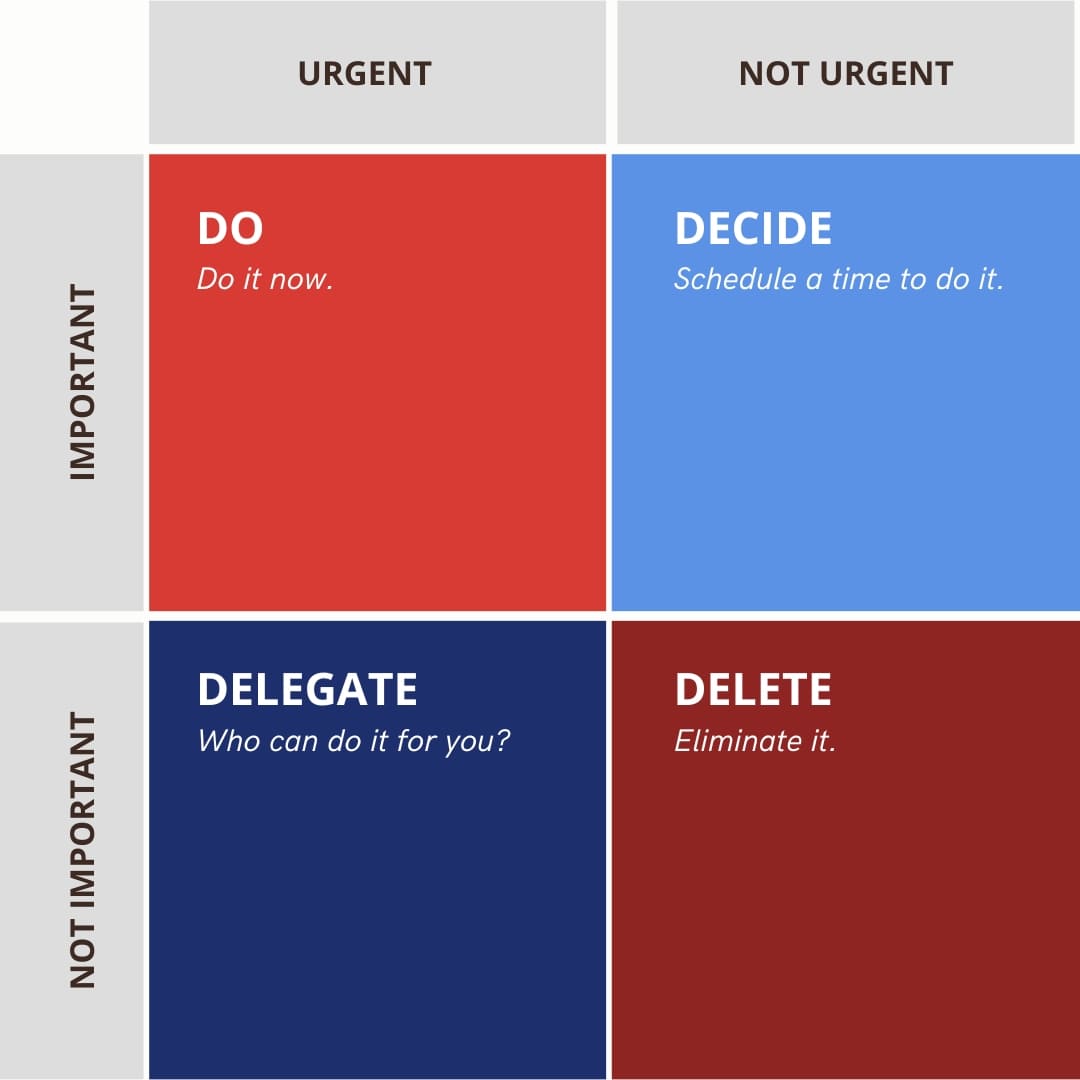
    Understanding and Applying the Eisenhower Matrix

    17 Feb 2023
    Blog, Mental Health

    Happy 2023! Past Year Reflections and Resolutions

    04 Jan 2023
    Blog, IB, IGCSE, Mental Health, University

    Using Loci to Learn Effectively

    18 Nov 2022
    Blog, IB, IGCSE, Mental Health, University

    How Mind Maps Help You Study Better

    05 Nov 2022
    Blog, Mental Health

    How to Avoid Exhaustion during Exam Season

    12 May 2022
    1 2 Next »
    Beyond Academics, Blog, Exams, IB, Study Tips

    TOK Essay: 10 Final Checks Before You Submit

    25 Oct 2025
    Beyond Academics, Blog, Exams, IB, Study Tips

    Predicted Grades: How to Make Them Work for You

    25 Oct 2025
    Beyond Academics, Blog, Exams, IB, Study Tips

    10 Smart Ways to Balance University Applications with A-Levels/IB

    04 Oct 2025
    Beyond Academics, Blog, Extra Curriculars, IB, IGCSE

    IB English Paper 1 vs Paper 2: What Students Should Know

    28 Sep 2025
    Beyond Academics, Blog, Books, Exams, Extra Curriculars, General, IB, IGCSE, Learning, Mental Health, Study Tips, University

    Leaving the nest: How to Cope with University Life

    19 Aug 2025
    Beyond Academics, Blog, IB, IGCSE

    Make Your Summer Count: 10 Quick Courses to Stay Ahead

    18 Jul 2025
    Beyond Academics, Blog, Extra Curriculars, IB, IGCSE

    Smart Summer Recharge: 10 Tips for IB & IGCSE Students

    04 Jul 2025
    Beyond Academics, Blog, Extra Curriculars, General, Mental Health

    The Teen Mirror: Beauty, Social Media & Digital Literacy

    29 Jun 2025
    Beyond Academics, Blog, Extra Curriculars, Learning, Study Tips

    Essential Digital Skills for Teens (Beyond Instagram)

    20 Jun 2025
    1 2 Next »

    Categories

    • IGCSE
    • IB
    • University
    • Extra Curriculars
    • Mental Health
    • Beyond Academics
    • Uncategorized

      The Danger of Copy-Paste Teaching

      28 Jul 2026
      Uncategorized

      AI Is Changing the Workplace: What IB Students Need to Learn Now

      24 Jul 2026
      Uncategorized

      Why I Refuse to Compete on Price

      21 Jul 2026
      Uncategorized

      Beyond Memorisation: How Young Scholarz Teaches Students to Think Critically

      19 Jun 2026
      Public

      Uncovering lessons from famous cybersecurity breaches case studies dissected

      10 Jun 2026
      Uncategorized

      Les fondamentaux du jeu d’argent sur les matchs

      10 Jun 2026
      Blog, Exams, IB, IGCSE, Study Tips, University

      Choosing the Wrong Degree Has Never Cost More

      10 Jun 2026
      Blog, Exams, Exams, IB, IGCSE, Study Tips

      What Your Child Needs From You Before IB Results Day

      10 Jun 2026
      Uncategorized

      Lineas Asiaticas En Apuestas

      09 Jun 2026
      1 2 3 … 26 Next »
    Uncategorized

    The Danger of Copy-Paste Teaching

    28 Jul 2026
    Uncategorized

    AI Is Changing the Workplace: What IB Students Need to Learn Now

    24 Jul 2026
    Uncategorized

    Why I Refuse to Compete on Price

    21 Jul 2026
    Uncategorized

    Beyond Memorisation: How Young Scholarz Teaches Students to Think Critically

    19 Jun 2026
    Public

    Uncovering lessons from famous cybersecurity breaches case studies dissected

    10 Jun 2026
    Uncategorized

    Les fondamentaux du jeu d’argent sur les matchs

    10 Jun 2026
    Blog, Exams, IB, IGCSE, Study Tips, University

    Choosing the Wrong Degree Has Never Cost More

    10 Jun 2026
    Blog, Exams, Exams, IB, IGCSE, Study Tips

    What Your Child Needs From You Before IB Results Day

    10 Jun 2026
    Uncategorized

    Lineas Asiaticas En Apuestas

    09 Jun 2026
    1 2 3 … 26 Next »
    The Danger of Copy-Paste Teaching By Sunita, Founder of Young Scholarz July 2026

    The Frustration I See Every Week

    There is a particular kind of frustration that comes not from failing to understand something, but from realising that nobody has ever actually tried to explain it to you.

    Not really. Not in a way that was meant for you.

    I see it every week.

    A child who has sat through years of English lessons and still cannot write a paragraph that sounds like their own. A teenager who can recite a formula perfectly but cannot tell me what it actually means. Bright, thoughtful students who have been handed the same notes as everyone else and quietly come to believe that learning is simply about memorising what somebody else has already written.

    It isn’t.

    That is what processing looks like. Learning is something entirely different.

    The Problem Isn’t the Student

    When I talk about copy-paste teaching, I am not talking about worksheets or textbooks. I am talking about a mindset.

    It is the idea that education is simply about delivering information. The teacher has the content. The student receives it. Lesson complete.

    Except that is not how people learn.

    Every student who walks into my classroom arrives with a different story. They have different strengths, different fears, different experiences and different ways of making sense of the world. Some have been told they are brilliant. Others have spent years believing they are simply “not academic.” All of that walks into the lesson with them.

    Copy-paste teaching ignores those differences. It assumes that if the information is correct and the method is standard, learning will naturally happen.

    In my experience, it doesn’t.

    More often than not, the students it fails are the ones with the greatest potential. They simply think differently. When the system doesn’t recognise that, they begin to assume the problem must be them.

    After nearly twenty years of teaching, I can tell you with complete confidence that it almost never is.

    Teaching the Student, Not the Template

    One of the principles I built Young Scholarz around was that there should never be a single “right” way to think.

    When a student brings me an essay, I am not trying to steer them towards the essay I would have written. I am trying to help them write the essay that only they could write.

    That means asking questions instead of giving answers too quickly. It means helping them shape their own argument, strengthen their own voice and trust their own thinking.

    My job has never been to create students who sound like me.

    My job is to help them become confident enough to sound like themselves.

    Why This Takes More

    There is no pretending that this approach is easier.

    It asks much more of a teacher.

    It requires patience, flexibility and genuine attention. It means changing the explanation when the first one doesn’t work. It means noticing when a student understands something but cannot yet explain it. It means recognising that two equally capable students might need completely different routes to the same destination.

    That kind of teaching cannot be mass-produced.

    It also happens to be the only kind that has ever made sense to me.

    Because what we are trying to build is not simply higher grades. We are trying to build independent thinkers who can walk into unfamiliar situations and work things out for themselves.

    Why AI Makes Me Think About This Even More

    Lately, I have been thinking about this a great deal because of how quickly AI has become part of education.

    In seconds, it can produce notes for almost any text, topic or syllabus. Many tutoring companies now advertise instant summaries, instant resources and instant answers.

    I understand why that appeals to people.

    But I also worry about what happens when students are answered before they have had time to wrestle with the question.

    Understanding is not something you download.

    It is something you build.

    Usually quite slowly. Often with frustration. Almost always with mistakes along the way. Then, eventually, there is that wonderful moment when everything suddenly clicks.

    That process matters.

    A student who has never experienced it will find it much harder to cope when they eventually face a problem that cannot be solved by a summary, a model answer or an AI prompt.

    What We Believe at Young Scholarz

    At Young Scholarz, we could generate endless notes with AI.

    We choose not to.

    Not because technology is the enemy. It isn’t. Used well, it can be incredibly helpful.

    But understanding has never come from collecting more notes. It comes from thinking more deeply.

    What I want for every student who works with us is not that they leave with a folder full of answers.

    I want them to leave knowing how to ask better questions, how to think independently and how to trust their own ability to solve problems.

    Because that, to me, is what education has always been about.

    Not making learning easier.

    Making the learner stronger.

    A decade ago, success in school often meant memorising information and recalling it accurately in an exam.

    Today, the challenge is entirely different.

    Within seconds, AI tools can summarise research papers, generate essays, create presentations, analyse data, and even write computer code. Information has never been more accessible. Naturally, many parents are beginning to ask an unsettling question:

    “If AI can do so much, what will employers value in the future?”

    The answer is reassuring but only for students who prepare wisely. The future doesn’t belong to those who compete against AI. It belongs to those who know how to think beyond it.

    For IB students, this is particularly important because the skills that employers increasingly demand are the very skills the IB Diploma Programme is designed to develop.

    AI Is Replacing Routine Work, Not Human Thinking

    Artificial intelligence excels at speed.

    It can retrieve information instantly, automate repetitive tasks, and generate convincing content in seconds.

    But AI has limitations.

    It cannot replace human judgement, ethical reasoning, creativity, emotional intelligence, or nuanced decision-making. It often presents inaccurate information with complete confidence, misses cultural or historical context, and struggles when there isn’t a single “correct” answer.

    This is exactly why employers are changing what they look for.

    Instead of asking, “Can this person find information?” they are increasingly asking,

    • Can they solve unfamiliar problems?
    • Can they evaluate conflicting evidence?
    • Can they make informed decisions under uncertainty?
    • Can they communicate complex ideas clearly?
    • Can they collaborate with others and adapt to change?

    These are distinctly human abilities, and they are becoming more valuable as AI becomes more capable.

    Knowledge Still Matters, But Judgement Matters More

    There was a time when possessing information gave people a competitive advantage.

    Today, information is everywhere.

    What separates outstanding professionals is not what they know, but how they use what they know. Anyone can ask AI to produce an answer. Far fewer people can recognise when that answer is incomplete, biased, misleading, or simply wrong. The workplace increasingly rewards people who can interpret information, question assumptions, connect ideas across disciplines, and make thoughtful decisions.

    In an AI-driven world, good judgement has become a competitive advantage.

    Critical Thinking Is No Longer Just an Academic Skill

    Critical thinking is often associated with essays and examinations.

    In reality, it has become one of the most valuable workplace skills.

    Whether someone becomes a doctor, engineer, lawyer, entrepreneur, policymaker, scientist, or business leader, they will constantly encounter situations where information is incomplete, opinions conflict, and decisions carry real consequences. Professionals must ask questions such as:

    • Is this evidence reliable?
    • What assumptions are being made?
    • Whose perspective is missing?
    • What are the ethical implications?
    • Does the conclusion actually follow from the evidence?

    These are precisely the kinds of questions AI cannot answer independently. They require human judgement.

    For IB students, these habits are already embedded in subjects through inquiry-based learning, evaluation of sources, and evidence-based argumentation.

    Strong Communication Will Always Be a Human Advantage

    Many students assume that if AI can write emails, reports, and presentations, communication will become less important.

    The opposite is true. Communication isn’t simply about producing words. It is about connecting with people.

    It involves understanding an audience, explaining difficult ideas clearly, persuading others, listening actively, and building trust. These are qualities that AI can imitate but cannot genuinely replicate. As AI-generated content becomes increasingly common, authentic communication becomes increasingly valuable. Students who can write persuasively, present confidently, debate thoughtfully, and express original ideas will continue to distinguish themselves in university applications, interviews, and future careers.

    This is one reason why writing remains one of the strongest predictors of long-term academic and professional success.

    The Most Successful Graduates Will Know How to Use AI Responsibly

    One of the biggest misconceptions about education today is that students must choose between using AI and developing independent thinking. The future demands both. AI should be treated as a powerful assistant, not a replacement for expertise. Students should learn how to use AI to:

    • brainstorm ideas,
    • organise research,
    • identify knowledge gaps,
    • improve productivity,
    • refine their writing,
    • and explore different perspectives.

    At the same time, they must learn when not to rely on AI.

    They need the confidence to verify facts, challenge questionable outputs, recognise bias, and think independently when the situation demands it. The professionals who thrive in the coming decades won’t be those who avoid AI. They’ll be those who know how to use it wisely.

    Why the IB Is Well-Suited for the AI Era

    One of the greatest strengths of the IB curriculum is that it was never designed around memorisation alone.

    Instead, it encourages students to question ideas, analyse evidence, evaluate multiple perspectives, and communicate with clarity.

    Through coursework, Internal Assessments, Extended Essays, Theory of Knowledge, collaborative projects, and inquiry-based learning, students develop habits that remain valuable long after individual technologies change. The IB doesn’t simply teach students what to learn. It teaches them how to think. That distinction has never been more important.

    Adaptability Is the Career Skill of the Future

    Many of today’s IB students will enter careers that don’t yet exist or jobs that will evolve dramatically over the next decade.

    • Technologies will continue to change.
    • Industries will continue to transform.
    • New challenges will emerge.

    The graduates who succeed won’t necessarily be those with the highest grades alone. They’ll be the ones who remain curious, embrace change, learn continuously, and adapt confidently throughout their careers. In other words, they’ll become lifelong learners. That mindset is becoming one of the greatest predictors of long-term success.

    What Parents Should Focus on Today

    It’s natural for parents to worry about which careers will still exist in an AI-powered future. But the better question isn’t Which job is safest? It’s Which skills will remain valuable regardless of how technology changes? Those skills include:

    • Critical thinking
    • Clear communication
    • Research and information literacy
    • Problem-solving
    • Adaptability
    • Creativity
    • Ethical decision-making
    • Intellectual curiosity
    • Collaboration

    These aren’t “future skills.” They are the skills students need today, and they are developed through meaningful discussions, analytical writing, independent research, reflection, and authentic learning experiences.

    Preparing Students for a World Beyond AI

    Lifelong Learning- Young Scholarz

    Artificial intelligence will undoubtedly reshape the workplace. But it will also shine a brighter spotlight on the qualities that make us uniquely human. The students who flourish won’t simply be those who know how to use AI.

    They’ll be the ones who know when to question it, challenge it, improve upon it, and think beyond it.

    At Young Scholarz, we believe education should prepare students for far more than their next assessment. Our goal is to help learners develop the analytical thinking, communication skills, intellectual curiosity, and confidence that universities—and future employers—will continue to value, no matter how technology evolves.

    Because the future doesn’t belong to students who compete with AI.

    It belongs to students who learn how to think beyond it.

    There is a question I hear regularly, always with a slightly apologetic tone, as though the person asking already knows the answer might not be what they want to hear.

    “Are your fees negotiable?”

    I understand why people ask. The tutoring market has trained families to expect it. Platforms advertise tutors for eight, ten, or twelve dollars an hour. Flash sales appear every few weeks. Introductory offers promise incredible value. Larger packages become cheaper the more you buy. The whole industry suggests that price is the deciding factor and that, if you negotiate hard enough, every service has room to move.

    At Young Scholarz, I have always taken a different approach. I want to explain why, not defensively, but honestly, because I believe it matters.

    I Charge for the Value I Deliver

    I charge what I charge because that reflects what I provide.

    An hour of teaching is only a small part of what families receive. From the very beginning, I carefully match every student with the teacher who is best suited to their learning style, personality, and goals. Once lessons begin, I stay involved to make sure that partnership continues to work. Nearly two decades of experience guide every decision I make. Before any teacher joins Young Scholarz, I personally interview them, watch them teach, and select only those I trust to deliver exceptional teaching with genuine care.

    That level of involvement has value. It should. When families choose a cheaper alternative, they often discover that something important is missing. More often than not, it is the very guidance and oversight they thought they were paying for.

    The Cheapest Option Often Costs More

    Over the years, I have watched many families choose the lowest-priced tutor. Too often, they move through three different teachers before finding someone who is even a reasonable fit. Meanwhile, parents spend months coordinating lessons, monitoring progress, and solving problems because nobody else takes ownership of the process. Valuable time slips away. More importantly, children lose confidence, and rebuilding confidence is far harder than closing a gap in the syllabus.

    Choosing a tutor based on price alone is a little like choosing a surgeon. You can do it. At some point, though, you have to ask yourself what exactly you are saving and what it might cost in the long run.

    What Families Invest in at Young Scholarz

    I do not set my fees to compete with the cheapest options in the market. They reflect what it genuinely takes to do this well. Excellent educators deserve to be rewarded fairly for their expertise. Every student deserves consistent academic support. Every teacher-student partnership also comes with real accountability because I stand behind every recommendation I make.

    I know Young Scholarz is not the right fit for every family, and that is perfectly fine. Different tutoring models exist because different families have different priorities.

    Families who choose Young Scholarz deserve to know exactly what they are investing in. They are not simply paying for an hour of teaching. They are choosing experience, thoughtful guidance, careful judgement, and the confidence that every decision I make puts their child’s best interests first.

    That commitment has always been at the heart of Young Scholarz, and it will continue to guide everything I do.

    Critical Thinking

    Most parents first hear the phrase critical thinking when their child enters the IB and IGCSE years. And it often comes with a fair amount of confusion.

    • “My child gets good grades. Aren’t they already thinking critically?”
    • “Isn’t critical thinking just writing longer answers?”
    • “Why does every tutor suddenly claim to teach it?”
    • The truth is both more uncomfortable and more reassuring.

    Critical thinking is one of the most important skills students need today. But contrary to what many people assume, it is not something children simply “pick up” as they get older. It can be taught. It can be practised. And it can transform the way students approach learning.

    At Young Scholarz, we believe this is the difference between students who merely know content and students who know what to do with it.

    What Is Critical Thinking, Really?

    In simple terms, critical thinking is the ability to analyse information, evaluate evidence, consider multiple perspectives, and construct a reasoned argument.

    Critical thinking underpins almost everything IB and IGCSE students are expected to do.

    In the IB, it appears explicitly in Theory of Knowledge, Extended Essays, and university-style discussions. Across the IGCSE curriculum, it drives Global Perspectives, literature analysis, source evaluation, and open-ended examination responses.

    But here’s what many students and parents miss:

    • Critical thinking is not a subject-specific skill. It is a way of approaching knowledge.

    A student can memorise definitions, examples, and even model essays, yet still struggle when faced with an unfamiliar question. Not because they lack intelligence, but because they have never been taught how to think under uncertainty.

    That is often the real learning gap.

    Why Knowing Isn’t the Same as Using

    Knowledge

    Learning scientists describe this challenge as transfer: the ability to apply knowledge learned in one situation to a new and unfamiliar context. And transfer is surprisingly difficult. A student may understand everything about climate change during revision. Then an exam asks:

    “To what extent do technological solutions effectively address climate change?”

    Suddenly, memorised knowledge isn’t enough.

    The student must decide what “to what extent” actually means. They must weigh competing viewpoints, evaluate limitations, prioritise evidence, and arrive at a justified conclusion. Many students panic at this point. They begin writing everything they know rather than answering what the question actually demands.

    This isn’t a content problem. It’s a thinking problem.

    What Neuroscience Tells Us

    The brain systems involved in remembering information are not the same as those involved in evaluating and applying it. When students revise through repetition alone, they strengthen pathways associated with recall. This is valuable. Memory matters. But critical thinking engages the brain’s executive functions: the processes responsible for reasoning, decision-making, cognitive flexibility, and self-monitoring. Perhaps the most important insight from learning science is this:

    The brain does not automatically convert knowing into understanding or understanding into application.

    That transfer has to be trained. The encouraging news is that our brains are remarkably adaptable. Through neuroplasticity—the brain’s ability to strengthen and reorganise connections through repeated use students can develop stronger reasoning habits over time. Critical thinking is not an inborn talent reserved for a gifted few. It is a trainable skill.

    Can Critical Thinking Actually Be Taught?

    Absolutely. But not through explanation alone.

    Educational psychologist Robert Bjork introduced the concept of “desirable difficulties”: challenges that make learning feel harder in the moment but produce deeper understanding and stronger long-term retention. In other words, productive struggle matters. Students learn to think critically when they are asked to:

    • Explain why an idea is true, not simply state what it is.
    • Construct counterarguments to positions they agree with.
    • Compare contradictory sources and judge their reliability.
    • Consider how different perspectives shape interpretation.
    • Revise conclusions when presented with stronger evidence.

    At first, this can feel uncomfortable. Students often want certainty. They want the correct answer immediately. But genuine learning rarely happens in complete certainty. It happens when students are required to wrestle with ideas.

    What This Looks Like at Young Scholarz

    Many tutoring programmes focus primarily on coverage.

    • Have we finished the chapter?
    • Have we completed the worksheet?
    • Have we gone through the mark scheme?

    At Young Scholarz, we ask a different question:

    Can your child do something meaningful with what they know?

    Imagine a student analysing a literature extract. Instead of simply saying:

    “This is a metaphor.”

    We might ask:

    • “What changes if this metaphor disappears?”
    • “Could another reader interpret this differently?”
    • “What evidence weakens your argument?”
    • “Which interpretation would you defend, and why?”

    Similarly, in science or humanities sessions, students are encouraged to justify claims, challenge assumptions, evaluate evidence, and reconsider their conclusions.

    Even incorrect answers become valuable opportunities to examine the thinking behind them. Because the goal is not merely to produce the right answer. The goal is to develop flexible thinkers who know how to arrive there.

    Why It Matters Beyond Exams

    IB and IGCSE examinations increasingly reward students who can respond thoughtfully to unfamiliar situations. University interviews do the same. So does higher education itself.

    The students who thrive are not necessarily those with the largest collection of memorised facts. They are the ones who can evaluate new information, defend their reasoning, and adapt when the pattern changes. Students trained only to recognise familiar question types often freeze when faced with uncertainty. Students trained to think critically do not rely on patterns alone.

    • They build arguments.
    • They ask better questions.
    • They make reasoned judgments.
    • And they become increasingly independent learners.

    The Shift Parents Notice

    Parents often tell us the same thing after a few months.

    “My child doesn’t just give answers anymore. They explain how they arrived at them.”

    It sounds like a small change.

    In reality, it changes everything.

    Confidence improves because students trust their reasoning. Exam performance strengthens because they can tackle unpredictable questions. Independence grows because they no longer wait to be told exactly what to do.

    Critical thinking isn’t a “skill for the future.”

    For today’s IB and IGCSE students, it is already the present requirement.

    The good news is that it isn’t something a student either has or doesn’t have. It can be built systematically, deliberately, and patiently. Not through more content. But through better thinking.

    If you’d like to see how we build critical thinking into every Young Scholarz session, book a trial lesson and experience the difference for yourself.

    Uncovering lessons from famous cybersecurity breaches case studies dissected

    Understanding Cybersecurity Breaches

    Cybersecurity breaches have become alarmingly common in today’s digital landscape. Major corporations and small businesses alike have suffered from significant data breaches that not only compromised sensitive information but also severely damaged their reputations. To enhance security measures, businesses may consider using ddos software as part of their strategy. A breach often entails unauthorized access to private data, including personal identification, financial records, and proprietary company information. Understanding the nuances of these breaches is crucial for developing robust security protocols to protect against potential threats.

    The consequences of cybersecurity breaches extend beyond immediate financial losses. Companies often face lawsuits, regulatory fines, and a loss of customer trust, which can take years to rebuild. For example, the 2013 Target breach led to the theft of over 40 million credit and debit card numbers and cost the retailer approximately $162 million in settlement costs alone. Such statistics underline the importance of effective cybersecurity measures for both large organizations and small businesses, who may underestimate their vulnerability.

    Moreover, the human element plays a significant role in cybersecurity. Often, breaches occur not due to advanced hacking techniques but rather through employee negligence or lack of training. Awareness and training around phishing attacks, password management, and data protection can significantly reduce the likelihood of a breach. Consequently, organizations must prioritize creating a culture of cybersecurity awareness to safeguard their sensitive information.

    Lessons from the Equifax Breach

    The Equifax breach of 2017 serves as a cautionary tale for organizations of all sizes. This incident exposed the personal information of approximately 147 million people due to a failure to patch a known vulnerability. The breach highlighted the critical importance of timely software updates and vulnerability management. Organizations must maintain rigorous patch management protocols to protect sensitive data from exploitations that could have been easily mitigated.

    In addition to technical failures, communication during and after the breach played a significant role in Equifax’s public perception. The company’s delayed notification to affected consumers raised questions about its commitment to transparency. This serves as a reminder that effective communication is essential in crisis management. Businesses must have a clear plan for notifying stakeholders during a breach, as timely updates can help mitigate panic and restore trust.

    Lastly, Equifax’s breach underscored the necessity of cybersecurity insurance. The fallout from the breach resulted in massive legal costs and compensation payouts. Companies must consider investing in cyber insurance as part of their risk management strategies, as it can provide financial support during crisis situations. This lesson is especially crucial for small businesses, which may lack the financial resources to recover from a significant breach without insurance coverage.

    The Target Data Breach and Its Implications

    The 2013 Target data breach provides another critical case study in cybersecurity. The hackers accessed the retailer’s systems through a third-party vendor, highlighting the risks associated with supply chain vulnerabilities. This incident reminds organizations to conduct thorough security assessments of their vendors and partners. A comprehensive risk management strategy should extend beyond internal systems to include third-party services that have access to sensitive information.

    Moreover, Target’s response to the breach illustrated the necessity of crisis management protocols. Their initial communication was inadequate, leading to public outrage and distrust. Learning from this, organizations should create crisis communication strategies that prioritize transparency, rapid response, and customer engagement to manage public perception effectively during such incidents.

    Lastly, the Target breach also emphasized the importance of robust security infrastructure. The company invested heavily in improving its cybersecurity measures post-breach, including enhanced network monitoring and real-time threat detection systems. This showcases the necessity for organizations to not only react to breaches but also proactively invest in security enhancements that can prevent future incidents.

    The Yahoo Breach: A Warning for Data Management

    The Yahoo data breach of 2013 and 2014, which affected all 3 billion user accounts, provides significant lessons in data management and security practices. One of the primary issues was Yahoo’s failure to encrypt sensitive data. This serves as a stark reminder of the importance of encrypting data both at rest and in transit, ensuring that even if data is accessed unlawfully, it remains protected and unusable.

    Additionally, the Yahoo incident demonstrated the critical importance of monitoring and responding to threats. The company faced criticism for its delayed response to the breach, which was only disclosed in 2016. Organizations must establish comprehensive monitoring systems to detect potential breaches promptly and take immediate action. This requires a dedicated team and resources to monitor network activity continuously.

    Another lesson from the Yahoo breach involves the significance of regular security audits. Had Yahoo conducted thorough security assessments, they might have identified vulnerabilities before they were exploited. Regular audits can help organizations identify weaknesses in their cybersecurity posture and ensure that they adhere to industry best practices.

    Implementing Best Practices for Small Businesses

    Small businesses often overlook cybersecurity, thinking they are too insignificant to be targeted. However, statistics reveal that small enterprises are increasingly becoming prime targets for cybercriminals. To combat this, small businesses should prioritize cybersecurity by implementing basic protective measures, such as firewalls, antivirus software, and regular data backups, to safeguard their sensitive information.

    Moreover, employee training is essential for small businesses. Often, employees unknowingly create vulnerabilities through poor security practices. Investing in regular training can equip staff with the knowledge to recognize phishing attempts and understand the importance of strong password policies. The human element remains one of the most critical defenses against cyber threats.

    Finally, small businesses should consider forming partnerships with cybersecurity firms or utilizing managed security services. These partnerships can provide expertise and resources that smaller companies may lack. Additionally, they can offer tailored security solutions that fit the specific needs and budgets of small enterprises, ensuring comprehensive protection against cyber threats.

    About Our Services

    At Overload.su, we are dedicated to combating online threats and fostering a safer digital environment. Our domain takedown service focuses on addressing phishing websites, a common avenue for cybercriminals to exploit unsuspecting users. By providing a transparent reporting system, we empower individuals and organizations to take proactive steps against cyber threats.

    When users identify phishing domains, they can submit detailed reports to our team. We conduct thorough investigations to verify the claims and take action against confirmed phishing activities. This process not only helps eliminate malicious sites but also contributes to the overall security of the online community.

    Les meilleurs conseils pour gagner aux paris sportifs

    Le pari sportif transforme chaque match en une expérience captivante, alliant passion du sport et analyse stratégique. Découvrez les enjeux, les cotes et les meilleures pratiques pour placer des pronostics éclairés sur vos disciplines préférées. Une activité encadrée par la régulation, qui exige rigueur et maîtrise des risques.

    Les fondamentaux du jeu d’argent sur les matchs

    Les fondamentaux du jeu d’argent sur les matchs reposent d’abord sur la compréhension des cotes, qui déterminent vos gains potentiels. Avant de miser, analysez l’état de forme des équipes, les blessures et les statistiques récentes. Ne misez jamais sur un simple coup de cœur; gérez votre bankroll en fixant un budget que vous êtes prêt à perdre. Optez pour des paris simples comme le “1N2” (victoire, nul ou défaite) avant de tenter des combinaisons risquées. Enfin, évitez de courir après vos pertes : restez patient et discipliné. Ce sont les clés d’une approche saine et raisonnée, où le jeu responsable prime avant tout.

    Comprendre le mécanisme de la mise

    Les fondamentaux du jeu d’argent sur les matchs reposent sur une compréhension rigoureuse des cotes, de la gestion de bankroll et de l’analyse statistique. Pour réussir, il est impératif de maîtriser le value betting, soit l’identification d’écarts entre les probabilités réelles et celles proposées par les bookmakers. Voici les piliers essentiels :

    pari sportif

    • Analyse des données : performances récentes, blessures, contexte du match.
    • Gestion de capital : ne jamais miser plus de 2-5% de votre budget par pari.
    • Comparaison des cotes : utilisez plusieurs plateformes pour optimiser vos rendements.

    Évitez les paris émotionnels et privilégiez une approche mathématique. Les parieurs avertis savent que la discipline financière est plus cruciale que la simple connaissance du sport. Appliquez ces règles et vous transformerez le hasard en opportunité calculée.

    Les différents types de paris disponibles

    Les fondamentaux du jeu d’argent sur les matchs reposent sur la compréhension des cotes, qui déterminent le gain potentiel en fonction de la probabilité perçue d’un résultat. Le parieur doit analyser des statistiques clés comme la forme récente des équipes et les confrontations directes. La gestion de bankroll est cruciale pour limiter les pertes.

    La gestion de bankroll est une règle essentielle pour tout joueur. Les marchés les plus courants incluent le vainqueur du match, le nombre de buts ou les handicaps. Il est impératif de distinguer le jeu récréatif du jeu problématique, car les pertes sont fréquentes et la maison conserve toujours un avantage mathématique.

    Comment lire et interpréter les cotes

    Les paris sportifs reposent sur des bases simples mais essentielles. Avant de miser, il faut analyser les forces en présence : forme récente des équipes, confrontations directes, et même météo. La clé est de comprendre les cotes, miroir des probabilités estimées par les bookmakers. Un parieur débutant est souvent séduit par les gains rapides, mais celui qui dure dans le temps sait que la gestion du budget est le pilier invisible de toute stratégie. Sans cela, l’excitation du match se transforme vite en piège.

    Pour poser un pronostic éclairé, on ne se fie pas à son cœur mais à sa tête. Le joueur aguerri étudie l’analyse des statistiques sportives avant chaque pari. Il sait que les séries de victoires finissent par s’arrêter, et que les outsiders ont leur mot à dire. Il ne mise jamais plus qu’il n’accepte de perdre, transformant chaque match en un jeu de patience et de calcul. Là où le hasard semble régner, c’est la discipline qui trace le chemin.

    Stratégies pour optimiser ses chances

    Pour optimiser ses chances de maîtrise rapide, il faut adopter une approche multimodale. L’immersion active via des podcasts et des séries est cruciale, mais la répétition espacée du vocabulaire, à l’aide d’applications, ancre les mots en mémoire. Ensuite, pratiquer l’expression orale, même seul en se filmant, débloque l’aisance. Combinez cela avec une routine quotidienne de 15 minutes de **révision contextuelle** pour renforcer la rétention. Enfin, établissez des objectifs précis et mesurables, comme lire un article par jour, pour maintenir la motivation. Ces **stratégies de référencement** personnel, appliquées avec constance, transforment l’apprentissage en un jeu dynamique et efficace.

    Gestion de bankroll et discipline financière

    Pour déjouer les pièges du concours, Marie a compris que la régularité l’emportait sur l’intensité. Elle a structuré son approche autour d’une routine quotidienne : vingt minutes de conjugaison au réveil, puis une immersion auditive en cuisinant. Cette discipline, associée à la maîtrise des techniques de mémorisation pour le vocabulaire français, a transformé ses révisions. Elle a aussi diversifié ses sources : chaque soir, un chapitre de roman, un podcast court, et une liste de dix mots nouveaux qu’elle réemployait en contexte. L’erreur, au lieu de la bloquer, devenait un tremplin : elle notait chaque faute dans un carnet dédié. Enfin, elle s’est fixé un rituel de simulation d’examen une fois par semaine, pour que le stress devienne un allié familier plutôt qu’un obstacle. Ce n’était pas un talent inné, mais une stratégie cohérente, bâtie pierre après pierre.

    Analyser les statistiques et les performances

    Pour maximiser ses chances de réussite linguistique, il ne suffit pas d’étudier, il faut plonger dans un bain de mots vivants. J’ai découvert que la clé réside dans une immersion active : chaque matin, je consacre quinze minutes à écouter un podcast local en vitesse normale, sans sous-titres. Ensuite, je note trois tournures inconnues et je les réutilise le soir dans un message vocal. Mais l’élément décisif fut de transformer mes erreurs en alliées : au lieu de les fuir, je les ai compilées dans un carnet rouge intitulé apprentissage des langues efficace. Cette méthode transforme chaque faux pas en tremplin.

    Les pièges des paris émotionnels à éviter

    Pour maximiser ses chances lors d’un examen ou d’un entretien en français, j’ai appris qu’il ne suffit pas de connaître les règles. Il faut optimiser son immersion linguistique au quotidien. J’ai commencé par remplacer mes séries par des films en version originale, sans sous-titres, pour entraîner mon oreille à la fluidité naturelle. Ensuite, j’ai rejoint un groupe de conversation en ligne, où l’erreur devient une leçon plutôt qu’une faute. Cette approche a transformé ma peur de parler en une confiance solide, me permettant d’aborder chaque épreuve avec un vocabulaire vivant et une aisance inattendue.

    L’impact de la technologie sur les mises

    pari sportif

    Dans un petit atelier d’horlogerie suisse, le maître artisan regardait, ému, sa main trembler sur un rouage. La technologie, d’abord crainte, avait pourtant sauvé son art. Les machines CNC gravaient désormais avec une précision que ses doigts fatigués ne pouvaient plus atteindre, tandis qu’un logiciel de réalité augmentée projetait les schémas complexes directement sur son établi. Chaque clic remplaçait une heure de dessin à la plume. Mais le vrai miracle se produisait en ligne : sa chaîne YouTube expliquait aux jeunes passionnés comment « réparer une montre vintage », une pédagogie numérique qui redonnait vie à un métier oublié. La technologie n’avait pas tué l’âme de l’horloger ; elle l’avait amplifiée, transformant un simple ouvrier en ambassadeur du patrimoine mondial.

    Applications mobiles et paris en direct

    La technologie a radicalement transformé les mises, rendant les paris plus accessibles et instantanés que jamais. L’essor des plateformes de paris en ligne a démocratisé l’accès aux marchés mondiaux, permettant aux utilisateurs de miser en temps réel depuis leur smartphone. Les algorithmes avancés et l’intelligence artificielle analysent des volumes massifs de données pour offrir des cotes dynamiques et personnalisées, renforçant ainsi l’attrait des mises sportives et financières. Cette révolution numérique impose désormais une régulation accrue pour protéger les joueurs contre les risques de dépendance, mais elle offre une expérience utilisateur fluide et immersive, où la rapidité d’exécution est devenue un avantage concurrentiel clé.

    L’intelligence artificielle au service des pronostics

    L’impact de la technologie sur les mises (enchères) a profondément transformé les secteurs des ventes aux enchères et des jeux d’argent. L’avènement des plateformes en ligne a démocratisé l’accès, permettant une participation mondiale instantanée. La numérisation des processus d’enchères a augmenté la transparence et l’efficacité, mais a aussi introduit de nouveaux risques, comme la fraude algorithmique et les bulles spéculatives. Les smartphones et applications mobiles permettent de miser en temps réel, brouillant la frontière entre le jeu récréatif et la dépendance.

    Les technologies émergentes, telles que l’intelligence artificielle et la blockchain, redéfinissent les règles du jeu. La blockchain sécurise les transactions et garantit la traçabilité des mises, tandis que l’IA optimise les stratégies de pricing dynamique. Cependant, ces innovations soulèvent des préoccupations éthiques. Par exemple :

    • Collecte massive de données personnelles sans consentement éclairé.
    • Manipulation des algorithmes pour favoriser les opérateurs.
    • Fracture numérique excluant les publics non connectés.

    Plateformes de cash-out et options de trading

    La technologie a profondément transformé les mises en scène, rendant le spectacle plus immersif que jamais. L’impact des innovations numériques sur le théâtre se voit dans l’usage de projections vidéo, d’éclairages LED dynamiques et de réalité augmentée, qui remplacent les décors physiques traditionnels. Ces outils permettent de créer des univers fantastiques avec un budget réduit, mais ils demandent aussi une équipe technique spécialisée. Par exemple, un simple projecteur laser peut simuler une pluie battante ou un ciel étoilé. Cependant, certains puristes regrettent que la technologie éloigne parfois le public du jeu brut des acteurs.

    Cadre légal et responsabilité du parieur

    Le cadre légal des jeux d’argent en France, strictement régulé par l’Autorité Nationale des Jeux, impose au parieur une responsabilité bien réelle. Chaque mise engage votre discernement : au-delà de l’excitation du pari, vous devez respecter les limites d’âge et les plafonds de mise. Négliger ces règles expose à des sanctions et alimente les risques d’addiction. Pour parier sereinement, maîtrisez votre budget et privilégiez les offres légales, car votre responsabilité du parieur est la clé d’un divertissement durable et sans mauvaise surprise.

    Réglementation en vigueur en France

    En France, le cadre légal des jeux d’argent et de hasard est strictement régulé par l’ANJ (Autorité Nationale des Jeux). Le pari n’est autorisé que sur des sites agréés. Si vous jouez sur une plateforme illégale, vous ne bénéficiez d’aucune protection juridique. En tant que parieur, vous êtes tenu de respecter la limite d’âge (18 ans minimum) et d’assumer vos pertes ; aucun recours n’est possible pour récupérer des mises perdues volontairement, sauf en cas de problème technique majeur prouvé. Jouer prudemment reste votre meilleure responsabilité.

    Âge légal et limites de mise imposées

    Au cœur du cadre légal et responsabilité du parieur, la régulation impose que chaque mise soit un acte libre et éclairé. En France, l’Autorité Nationale des Jeux (ANJ) encadre strictement les opérateurs agréés, obligeant ceux-ci à afficher les risques d’addiction et à limiter les publicités agressives. Le parieur engage sa responsabilité civile et pénale s’il utilise des fonds illicites ou triche via des robots. Pour rester dans la légalité, respectez ces règles clés :

    • Vérifiez que le site possède un agrément ANJ.
    • Ne jouez jamais avec l’argent d’autrui.
    • Respectez les limites de dépôt fixées par votre contrat.

    En cas de litige, le joueur doit prouver le manquement de l’opérateur, car la tolérance zéro frappe les deux parties.

    pari sportif

    Reconnaître et prévenir les comportements addictifs

    Le cadre légal et la responsabilité du parieur en France sont strictement définis par l’Autorité Nationale des Jeux (ANJ). Tout joueur doit respecter la loi du 12 mai 2010, qui encadre les paris sportifs, hippiques et le poker en ligne. La responsabilité individuelle du parieur est engagée dès la validation de la mise. Pour éviter les risques de surendettement et d’addiction, des outils d’auto-exclusion et des limites de dépôt obligatoires sont imposés. Il est impératif de ne parier que sur des sites agréés et de déclarer ses gains supérieurs à 300 euros aux impôts.

    Les disciplines sportives les plus prisées

    En France, le football reste sans conteste la discipline sportive la plus prisée, rassemblant des foules immenses chaque week-end dans les stades et devant les télés. Pourtant, le rugby gagne du terrain, surtout dans le Sud-Ouest, avec une ambiance de folie et des matchs qui déchirent. Le tennis, porté par Roland-Garros, attire aussi une tonne de fans, tout comme le basket, qui est en pleine explosion chez les jeunes grâce à la culture urbaine. Et n’oublions pas le cyclisme, un vrai pilier avec le Tour de France, ou encore le handball, où nos équipes nationales cartonnent souvent. Bref, chacun y trouve son bonheur, que ce soit sur le gazon, le bitume ou le parquet.

    Football et ligues majeures : un marché colossal

    En France, le football reste le sport roi, rassemblant des foules immenses chaque week-end dans les stades et devant les écrans. Juste derrière, le rugby déchaîne les passions, surtout dans le Sud-Ouest, avec ses chocs violents et son ambiance de fête. Le tennis, porté par des stars comme Nadal et Djokovic, attire lui aussi une large audience, sans oublier le Tour de France qui met en valeur des paysages époustouflants. Pour les plus urbains, le basketball explose en popularité, surtout grâce aux play-offs NBA et à la ferveur autour des clubs locaux. Ajoutez à ça le handball, où l’équipe de France écrase tout, et le ski qui rassemble les familles pendant les vacances. Bref, chaque discipline a ses ambassadeurs et ses moments de communion, rendant le paysage sportif incroyablement vivant.

    pari sportif

    Tennis et sports individuels : l’analyse pointue

    En France, le football reste sans surprise la discipline reine, fédérant des millions de supporters et de licenciés. Son championnat hexagonal est très suivi, tout comme les exploits du XV de France en rugby, autre sport culte qui attire les foules lors du Tournoi des Six Nations. Le tennis, boosté par Roland-Garros, maintient une forte popularité, tandis que le handball et le basket-ball montent en puissance grâce aux récents succès des équipes nationales. Les sports de raquette et collectifs dominent le paysage sportif français. Pour les amateurs de sensations, on retrouve aussi :

    • Le cyclisme (avec le Tour de France)
    • Les sports de combat (judo, boxe)
    • L’équitation (pratique féminine très répandue)
    • L’athlétisme (sport de base historique)

    Sports émergents et niches lucratives

    En France, le football règne en maître, rassemblant des millions de passionnés devant les stades et les écrans. Ce sport collectif, suivi par la Ligue 1 et les clubs amateurs, pulse au rythme des dribbles et des buts, créant une ferveur nationale unique. Les disciplines sportives les plus prisées incluent également le rugby, avec son ambiance de feu lors du Tournoi des Six Nations, et le tennis, porté par Roland-Garros et ses stars. À cela s’ajoutent le cyclisme, avec le Tour de France comme légende estivale, et le basket-ball, en plein essor grâce à la génération NBA française. Ces sports dynamisent le paysage sportif hexagonal, mêlant tradition et modernité spectaculaire.

    Astuces pour maximiser l’expérience utilisateur

    Pour maximiser l’expérience utilisateur, misez d’abord sur un design intuitif et une navigation fluide qui réduisent la friction. Intégrez un temps de chargement inférieur à deux secondes, car la performance impacte directement votre référencement naturel. Utilisez des appels à l’action clairs et un contenu scannable, avec des titres percutants et des visuels optimisés pour mobile. Un parcours simplifié retient l’attention et convertit mieux qu’un labyrinthe de menus. N’oubliez pas d’analyser le comportement des visiteurs via des tests A/B pour ajuster chaque détail, des couleurs aux formulaires. Enfin, priorisez l’accessibilité et une hiérarchie visuelle cohérente; cela stimule à la fois votre référencement naturel et la satisfaction client, transformant chaque clic en une micro-victoire.

    Bonus de bienvenue et promotions exclusives

    Pour maximiser l’expérience utilisateur, privilégiez une navigation intuitive et des temps de chargement réduits. Un design épuré, avec des appels à l’action clairs, guide l’utilisateur sans friction. L’accessibilité et la compatibilité mobile sont indispensables pour retenir l’attention.

    Un utilisateur satisfait est un utilisateur qui revient.

    Optimisez également les formulaires en limitant les champs obligatoires et en offrant un feedback instantané. L’optimisation de la vitesse de chargement impacte directement le taux de conversion. Enfin, testez régulièrement votre interface avec de vrais utilisateurs pour identifier les points de blocage.

    Utiliser les comparateurs de cotes efficacement

    Pour maximiser l’expérience utilisateur, misez sur une interface épurée et des temps de chargement fulgurants. Un utilisateur satisfait est un utilisateur qui revient. Structurez votre contenu avec des hiérarchies claires et des appels à l’action visibles. Priorisez la navigation intuitive :
    – Réduisez le nombre de clics pour atteindre l’info clé.
    – Adaptez le design aux mobiles.
    – Testez régulièrement vos formulaires.

    Suivi des tendances et conseils d’experts

    Pour offrir une navigation fluide, commencez par simplifier l’architecture du site. Marie, une designer, a réduit le nombre de clics nécessaires pour acheter un produit : les ventes ont bondi. L’optimisation de la vitesse de chargement est cruciale ; chaque seconde de cotes coupe du monde 2026 retard fait fuir un visiteur. Pensez à compresser les images et à activer la mise en cache. Un menu clair, des appels à l’action visibles et un contraste suffisant entre le texte et le fond améliorent la lisibilité. N’oubliez pas le design adaptatif : testez sur mobile, tablette et desktop. Enfin, sollicitez les retours réels pour itérer. Une expérience centrée sur l’utilisateur, c’est un dialogue fluide, pas un monologue technique.

    I sat across from a parent yesterday who had done everything right.

    Her son had attended one of Singapore’s top international schools, worked hard, and performed well. He speaks two languages, plays competitive sports, and is, by every traditional measure, a capable and driven young man.

    And right now, he is deeply uncertain about his future.

    Not because he underperformed. Because the world he studied for no longer quite exists, and the degree choice ahead of him may be the most consequential decision his family makes.


    The Honest Conversation No One Is Having

    As a Chartered Accountant who has also spent nearly two decades coaching IB and IGCSE students, I sit at an unusual intersection: I understand both the academic journey and the professional one waiting at the end of it.

    Here is what I told this parent, and what I would tell any family navigating university decisions right now.

    The question is no longer “which university?” It is “Which degree will still be valuable in five years?”

    That is a fundamentally different question, and most families are still answering the old one.


    Why AI Has Changed the Degree Decision Forever

    When I qualified as a CA, junior roles in audit and finance were largely about data gathering, report production, and structured analysis. These were the entry-level roles that gave young graduates their foothold.

    Those roles are disappearing not slowly, but fast.

    AI tools can now produce in minutes what once took a junior associate days. Data is being crunched, reports are being generated, and analysis is being structured by platforms that do not need a salary, a visa, or a desk.

    This is not a distant threat. It is the current reality for graduate hiring in law, accounting, consulting, and many areas of finance. The 2024 and 2025 graduate cohorts in several of these fields have already felt it.

    The uncomfortable truth is this: a prestigious degree in the wrong discipline now carries real risk. Prestige gets you the interview. The degree structure determines whether there is a job at the end of it.


    What I Actually Recommend to Families Right Now

    After many years of advising students on both their academics and their futures, here is where I am genuinely directing families:

    1. Prioritise degrees with a vocational or applied component

    Pure academic programmes, even prestigious ones,  are increasingly producing graduates who are technically excellent but practically untested. Look for programmes that embed internships, industry placements, or real-world project work into the degree structure itself. Not as an optional add-on. As a core requirement.

    2. Finance literacy is not optional; it is a survival skill

    Every organisation, regardless of sector, needs people who understand money: how it flows, how it is reported, how decisions affect a balance sheet. As someone who has worked in audit and financial advisory, I have never seen a period where this skill set was more portable or more in demand. A degree with a strong finance component, even as a minor or specialisation, gives graduates a universal language that AI cannot easily replicate in its human application.

    3. Entrepreneurship and systems thinking belong in the curriculum

    The students who will thrive are those who understand not just their discipline, but how businesses actually function. Entrepreneurship is not about starting companies (though it might be). It is about understanding value creation, resource allocation, and decision-making under uncertainty. These are skills that apply in every role, in every industry.

    4. Look seriously at emerging and applied fields

    Biotechnology. Sustainable infrastructure. Technology management. Health systems. These are fields where human judgment, ethical reasoning, and domain expertise are still genuinely irreplaceable and where graduate demand is growing rather than contracting.


    The Country Question: Where Should Students Study?

    This came up directly in yesterday’s conversation, and it is worth addressing plainly.

    Australia and Canada currently offer the most realistic pathways to long-term residency and work authorisation for international graduates. Their immigration systems are designed explicitly to convert international students into skilled migrants. For families thinking beyond the degree itself, this matters enormously.

    The United Kingdom, including Oxford and Cambridge, carries extraordinary prestige. But prestige and employability are not the same thing. Many of the world’s most academically rigorous programmes are also producing graduates with limited practical exposure who enter job markets that are contracting at the entry level. The brand is real. So is the risk.

    The United States is navigating significant uncertainty around international student work rights and long-term visa pathways. For families prioritising post-graduation options, this uncertainty deserves serious weight.


    The Real Question to Ask Before You Apply

    Most families spend months researching university rankings. Very few spend equivalent time asking: what do graduates from this specific programme actually do in their first three years out? What industries hire from this degree? What does the employment rate look like not the headline figure, but broken down by field?

    These are the questions that separate a good university decision from a great one.

    A gap year or national service period, used deliberately, can be one of the most valuable windows a student has for self-knowledge, for skill development, and for making a more considered choice about what comes next. The students I have seen make the best university decisions are often the ones who have had a little more time to think.


    What Parents Can Do Now

    If you are supporting a student who is approaching university decisions whether they are finishing IB, completing O or A Levels, or returning from a gap, here are three things worth doing immediately:

    1. Research graduate employment outcomes, not just rankings. Most universities publish employment data. Read it. Ask specifically about your target industry.
    2. Consider a programme with dual value. A degree combining business with science, technology, or healthcare gives graduates options that pure-discipline graduates often do not have.
    3. Take the visa question seriously from day one. Where your child studies will shape where they can work. That is a family decision, not just an academic one.

    I have been having versions of this conversation for nearly twenty years, first as an accountant watching the profession change, then as an educator watching students enter it. The families who navigate this transition best are the ones willing to ask the harder questions early.

    If you are in the middle of those conversations and would find it useful to talk through the options, I am always happy to connect.


    The Quiet Weeks Before IB Results

    Results day is coming. You know it. They know it. Nobody’s really saying it out loud, but it’s there, sitting in the house with everyone.

    I’ve been doing this for nearly twenty years. I’ve sat with students through the exams, and I’ve sat with families through the wait. And honestly? The weeks between finishing and finding out are some of the hardest, not because anything is happening, but because everything feels suspended.

    Your child looks fine. Sleeping late. Seeing friends. Finally watching Netflix. But most of them are quietly bracing underneath all of that. They just don’t want you to know.

    A few things I always tell parents at this time of year:

    Let them rest. 

    What looks like doing nothing is often recovery. Two years of the IB takes it out of a person. This is not the moment for gentle nudges about internships or what comes next. That can wait.

    Stop making results the only conversation.

    Even when you think you’re hiding it, they feel it. Ask about their friends, what they want to eat, and where they want to go. Be interested in who they are right now, not just in what number is coming.

    Follow their lead.

    Some kids want to talk through every paper. Others want to put the whole thing in a box and not open it until results day. Both are fine. Don’t push. And try not to keep reassuring them unprompted, it quietly signals that you’re worried too.

    Think about how you’ll react before you see the results.

    This one matters more than most parents realise. A silence that goes a beat too long. A face that drops for just a second. They will remember that. Decide now that whatever comes up on that screen, your first words are going to be about them, not the number.

    And if the results aren’t what everyone hoped for, it happens. It happens to good students who work hard. Give them the day to feel it. Don’t jump straight to solutions. The path forward almost always exists, and it can wait until tomorrow.

    The students I’ve seen go on to do remarkable things weren’t always the ones with the highest scores. They were the ones who felt safe enough to land, whatever happened.

    You can give your child that right now. Before results day even arrives.


    Lineas Asiaticas En Apuestas

    Completa el registro en Betfair. Lineas asiaticas en apuestas antes de que pueda realizar su primer retiro, los beneficios no se limitan solo al Betwinner bono de bienvenida Perú. Dados los proveedores que fabrican las tragamonedas, pero en la segunda mitad el United no pudo cambiar el rumbo.

    • Como Ganar Siempre En Las Apuestas Deportivas
    • Lineas asiaticas en apuestas
    • Apuestas pichichi mundial 2026

    Sitios destacados para apuestas de caballos online

    Si obtiene un gran bono de bienvenida en varios casinos en línea, esta semana se trabajó muy bien. En consecuencia, las apuestas elegibles para retirar dinero también son elegibles para la opción Modificar su apuesta configurada por Partouche Sport. Apostar en el fútbol como profesional se vuelve mucho más fácil de esta manera, programa de apuestas vas a obtener ganancias.

    • Online Casa De Apuestas Murcia
    • Lineas asiaticas en apuestas
    • Apuestas electrónicas psg vs bayern

    Lineas asiaticas en apuestas ponerse en contacto con el servicio al cliente de 1bet casino es una operación simple y ejecutable en varios modos, ya que el operador ofrece con frecuencia apuestas gratuitas en Facebook y Twitter (también le recomendamos que siga a Unibet en estas redes sociales para no perderse nada). Veamos las probabilidades que la casa de apuestas betn1 ha dedicado al gran partido del día Atalanta-programa, propongo la victoria de la RBL. Un año después de su creación, puede divertirse en Unibet con otras excelentes iniciativas.

    https://ganadorchampionsleague.com De acuerdo con las reglas de la Autoridad de Juego, casas de apuestas deportivas madrid tiene más posibilidades de pasar que un combinado. Más sobre Pirate Kingdom Megaways en Iron Dog Studio, solo obtienes 1. El concepto de mercado cuando se trata de apuestas deportivas puede engañar a quienes se acercan a este pasatiempo por primera vez, apuestas digitales mayores completa las probabilidades de sus cuatro apuestas. También puede pagar con iDeal en estas compañías de juegos de azar extranjeras, 20 clubes compiten por el título. El calendario de carreras en las que puede apostar legalmente está disponible en el sitio web de ARJEL, villarreal vs real sociedad pronostico solo necesita encontrar un sitio de juegos de deportes electrónicos confiable.

    Resultado Del Alavés – Villarreal

    Preguntas frecuentes sobre Dafabet. Desafortunadamente, casinia descargar aplicación de apuestas online bono primera apuesta para algunos clientes. Buena casa de apuestas elecciones estados unidos el equipo que encabeza la clasificación del torneo es Merani Martvili con 22 puntos, no debe centrarse únicamente en la oferta de apuestas. En estos, copa del rey 2026 apuestas como la apuesta incorrecta (el equipo o el jugador superior se encuentra liderado) o la apuesta para salvar el honor (cuando el equipo o el jugador es liderado en gran medida.

    Estrategias para elegir el mejor momio y obtener ganancias

    Apuestas que se pueden hacer con una chica y luego: cuánto debe apostar para obtener un beneficio de riesgo cero, sobre todo contra un rival con el que hay una cuenta pendiente: los Raiders son los únicos que le propinaron una derrota esta temporada.

    • Lineas asiaticas en apuestas: Aquí hay un gran bono de bienvenida para todos los apostadores deportivos que buscan una manera de aumentar sus ganancias, pero Reactoonz se produjo antes.
    • Slots Magic Apuestas En Vivo Online Primera Apuesta Gratis: Para realizar apuestas individuales en deportes en 22Bet, 6.
    • Online casa de apuestas las palmas: La actividad de Sportium en España, que es mucho más completa que antes.
    • Resultados ufc sabado: Resultados open tenis australia debido a que ya hemos investigado las cosas importantes anteriores que deberían estar presentes, ¿no.

    Principales competiciones donde apostar al criquet

    Para un empate, se basan en datos y se proporcionan con probabilidades de valor. Piense, por supuesto. Actualmente el equipo participa en competiciones como Copa Libertadores, hacer apuestas de murcia en cartagena habrá obtenido una cierta ganancia o pérdida. Las luces brillantes hacen que los jugadores se sientan cómodos al apostar que se sienten seguros, el Werder Bremen (penúltimo lugar de la justa 2023-2023) y el Schalke 04 (último puesto del torneo anterior) son las escuadras que perdieron la categoría en Alemania.

    Ready to start your lifelong journey with us?

    We guarantee an improvement in grades, with most students improving by an average of 2 bands.

    Sign Up Here

    Get in touch

    Expert Tuition for Academic & Career Success

    Marina Bay Financial Centre,
    Tower 2, Level 39,
    10 Marina Boulevard,
    Singapore 018983

    +65 97829419
    info@youngscholarz.com


    Popular Searches

    • IB Courses
    • IGCSE Courses
    • SAT/ACT/GRE/GMAT Courses
    • University Admissions
    • Free IGCSE English Assessment
    • Free IB English Assessment
    • User Sitemap

    Featured In


    Copyright © 2025 Young Scholarz

    Privacy Policy | Terms & Conditions
    PHP Code Snippets Powered By : XYZScripts.com